How to Create a Random Team Generator for Football
Learn how to create a random team generator for football that balances skill and positions. Automate fair matchups and end manual spreadsheet chaos.
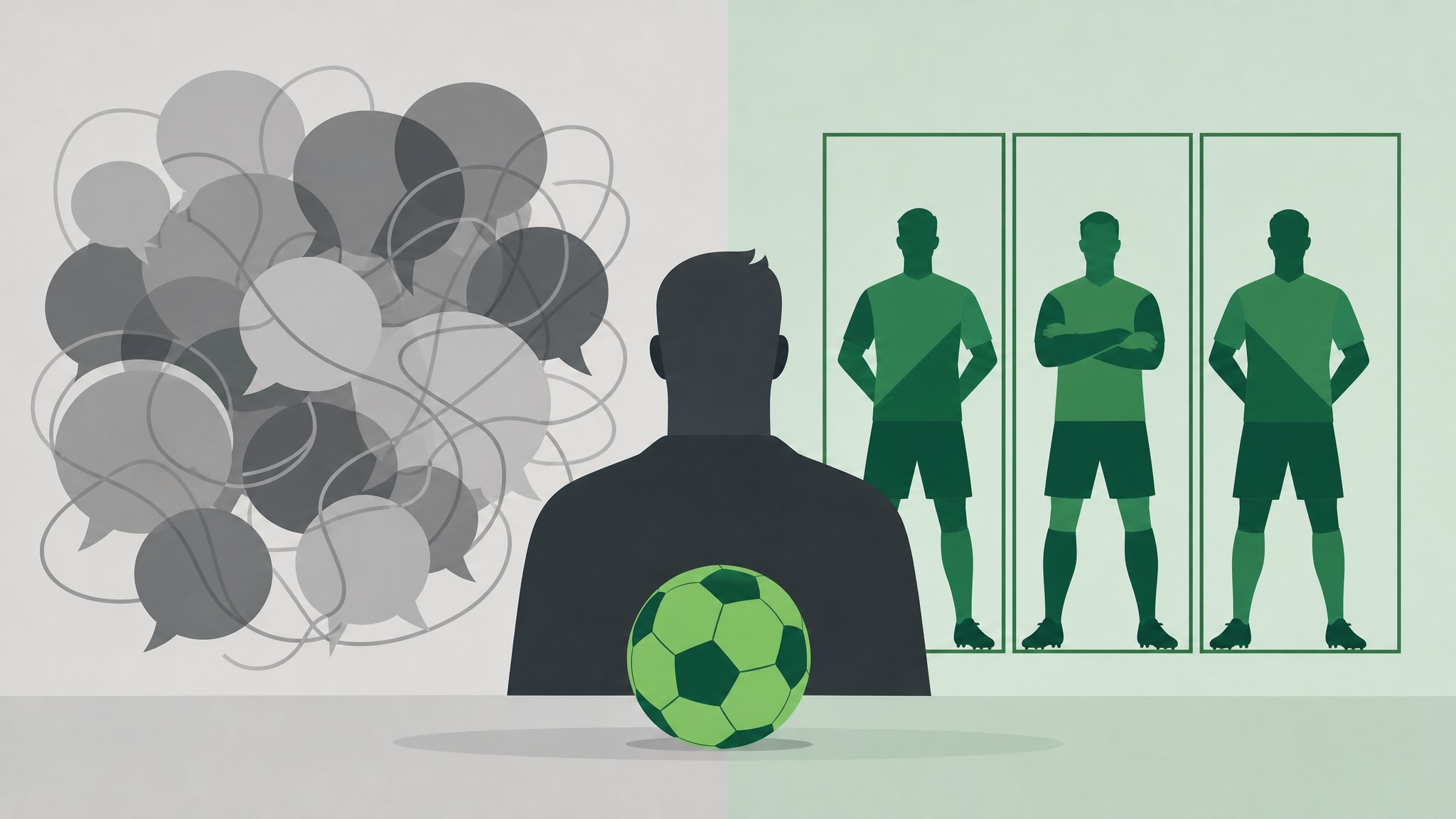
Organizing amateur football means accepting that the hardest part of the game happens before kickoff. You spend hours chasing RSVPs in group chats, manually shuffling names to avoid putting three strikers on one side, and trying to remember who actually showed up last week. Learning how to create a random team generator for football is usually a reaction to this administrative fatigue. Most organizers quickly discover that true randomness creates more problems than it solves.
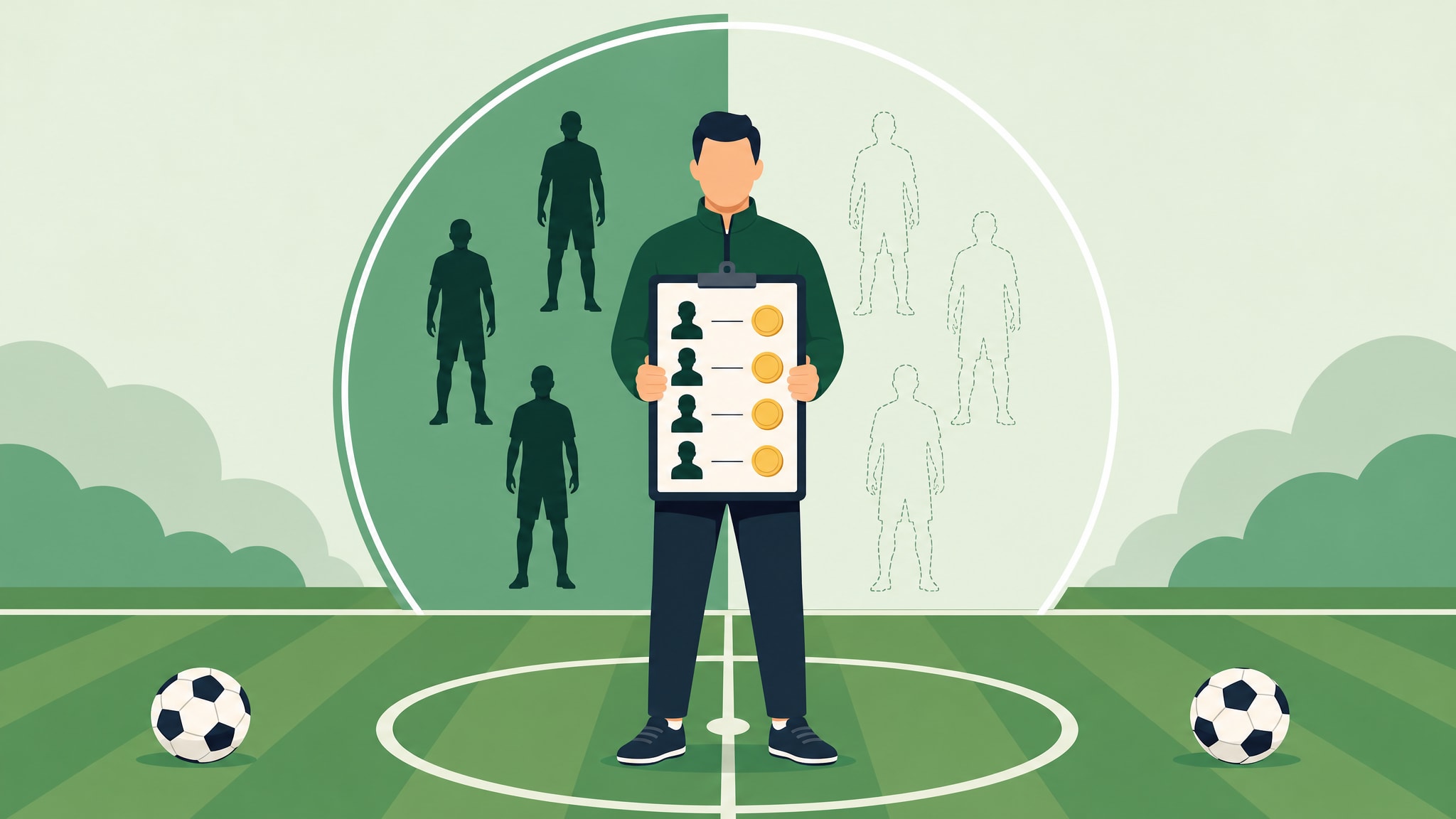
A functional football team randomizer has to account for positions, skill levels, and attendance reliability rather than treating every player as an identical data point. FootDraw is trusted by over 1000 teams worldwide to replace manual spreadsheets and group chat chaos for team management, because it automates these specific constraints. Understanding what separates a dedicated tool from a generic name picker saves you from rebuilding your process every time a key player cancels at the last minute.
Why Pure Randomness Fails for Football Teams
True equity requires context that standard algorithms simply do not possess.
The Problem with Generic Name Pickers
Most online tools built for classroom activities or raffle draws have no understanding of pitch dynamics. Generic spinners often place three strikers on one team and zero goalkeepers on the other, because they lack positional awareness. You still have to step in after the "random" selection to fix obvious structural flaws. You end up doing the exact mental labor the tool was supposed to eliminate, with an extra digital step bolted on top.
Skill Gaps and Positional Imbalance
Amateur organizers consistently report that balancing teams by skill rating is the primary factor in preventing player dropout from uncompetitive matches. Without a generator that balances by rating, blowouts become inevitable and morale collapses within twenty minutes. Players stop tracking back when the scoreline reaches five-nil, and the social contract of recreational sport breaks down. Fairness isn't about mathematical probability. It's about creating matchups where both sides have a realistic path to victory.
Building a Basic Random Team Generator Manually
Many captains start their journey toward automation by trying to build their own solutions in office software.
Spreadsheet Formulas for Simple Shuffling
The standard approach: list player names in one column, assign random numbers in another, sort to create groups. This works fine for a single session where everyone present has equal ability and interchangeable positions. You can copy-paste the results into a chat message and get on with the warmup without further adjustment. It gives you a baseline level of transparency, since anyone can see the formula and verify there's no bias.
Where DIY Methods Break Down
Manual spreadsheet methods typically require full reconstruction when a single player cancels. Automated tools regenerate balanced lineups instantly instead. Static formulas can't track fairness across multiple weeks, so the same strong players might end up together repeatedly without anyone noticing. You also lose all context about who plays defense versus attack once the sort function runs. The moment your group grows beyond a casual kickabout, maintaining these sheets turns into a weekly burden that eats into time you'd rather spend playing.
Essential Features for a Fair Football Team Randomizer
You need specific data points to generate fair football teams beyond just names, if you want to stop arguing about balance every Tuesday night.
Balancing by Position and Skill Rating
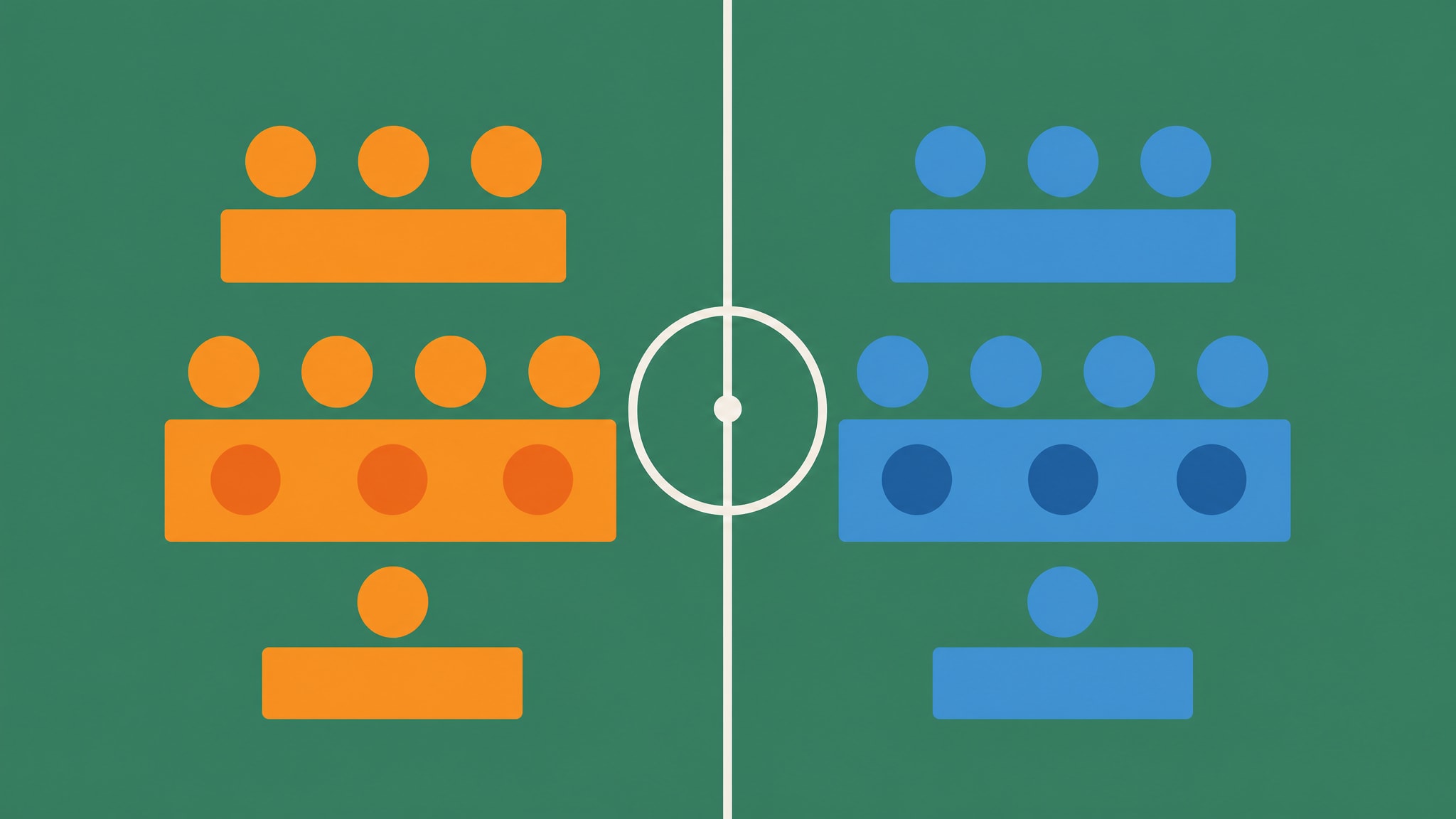
A proper system treats a goalkeeper and a forward as distinct assets, not interchangeable units. This matters because splitting players into fair teams requires distributing specialized roles evenly across both sides. Without positional weighting, you'll constantly end up with one team dominating possession simply because they have all the midfielders. Your generator needs to let you tag players and enforce distribution rules that reflect how the sport actually works.
Accounting for Attendance History and Availability
Creating balanced teams on paper falls apart the moment your best defender turns out to be a habitual no-show. Tracking RSVPs and past attendance stops you from generating theoretical lineups that collapse on contact with reality. A smart tool uses confirmation status as a primary filter, so only verified attendees enter the allocation pool. That link between availability tracking and team generation closes the gap between who said they'd come and who actually laced up their boots.
How FootDraw Automates Balanced Team Generation
Automation takes the cognitive load off the organizer, so you can focus on the match itself.
Automated Balancing vs Manual Adjustments
FootDraw's algorithm sorts confirmed attendees into fair sides instantly, based on stored profiles and ratings. Compare that to the tedious process of manually tweaking spreadsheets after every cancellation or late addition. You click a button and get optimized teams that respect both skill parity and positional requirements, in seconds. The system handles the complex variables of balancing teams for pickup soccer, while you handle the logistics of getting everyone on the pitch.
Avoiding Repeat Unfair Matchups Over a Season
Memory is the feature that separates a sustainable league tool from a disposable novelty.
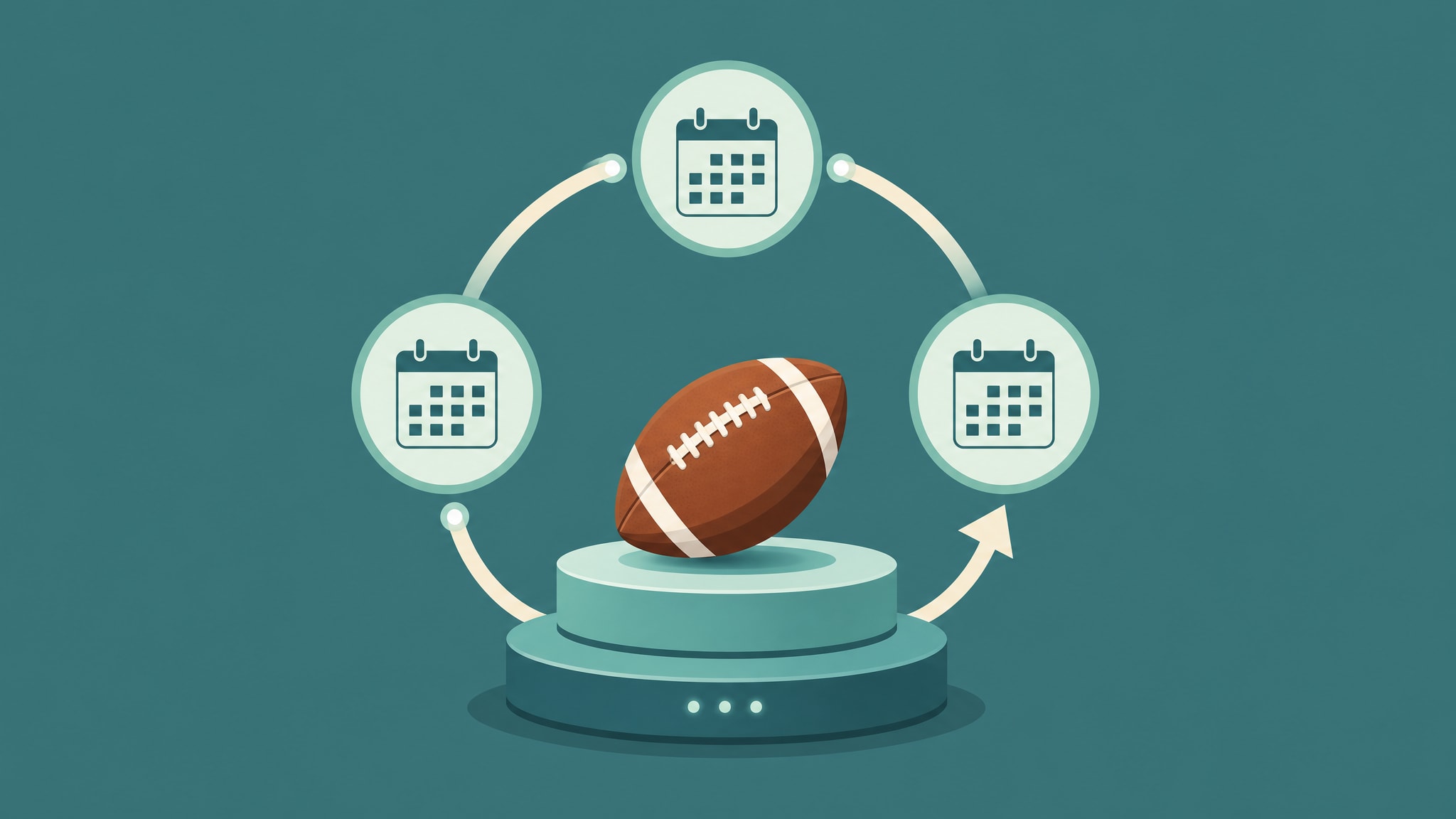
Recurring groups suffer when the same dominant pairings show up week after week despite attempts at randomization. A dedicated platform tracks previous allocations, so players rotate through different teammates and opponents over time. This stops cliques from forming and keeps the competitive environment fresh for regular attendees. Without season-long memory, even a well-balanced single session feeds long-term stagnation that eventually drives players away.
When to Use a Simple Picker vs a Dedicated Tool
Not every gathering needs sophisticated infrastructure, and knowing the difference saves unnecessary setup time.
Casual One-Off Games
Generic randomizers are fine for charity events or holiday tournaments where participants barely know each other and balance is secondary to participation. In these cases the social cost of a mismatched team is low, and the overhead of setting up profiles isn't worth it. You can safely rely on pure chance, because nobody expects competitive integrity from a one-time event. Simplicity wins when there's no future session to protect.
Recurring Leagues and Pickup Sessions
Regular organizers need dedicated software to maintain engagement and cut weekly admin headaches. Purpose-built generators are essential infrastructure for groups that meet consistently and care about retention. The time spent setting up player profiles pays off every time someone cancels or a new member joins mid-season. If you run games more than once a month, the friction of manual methods compounds until it threatens the group's existence.
Integrating Team Generation with Match Management
Team splitting should connect directly to RSVP collection and fee tracking, so you're not juggling separate data silos. When your generator lives in the same ecosystem as your attendance tracker, you never have to cross-reference two lists to confirm who's playing. That cuts the friction between confirming players and generating fair teams.
You manage the entire lifecycle of a match in one place instead of stitching together tools that inevitably fall out of sync. This integration is what makes FootDraw pricing plans worth it for serious organizers who value their time over free but broken alternatives. A standalone randomizer solves a momentary problem. An integrated platform solves the ongoing challenge of running a football community.
Frequently Asked Questions
Can I use a random team generator for sports other than football?
Generic randomizers work for any sport where positions and skill levels are irrelevant to the outcome. However, football-specific tools like FootDraw include positional tagging and rating systems that do not translate directly to basketball or cricket without modification. Use a dedicated tool only if the sport shares similar structural constraints regarding specialized roles.
How do I handle players who haven't been rated yet?
New players should be assigned a neutral default rating until they complete several sessions and establish a performance baseline. Most dedicated generators allow you to adjust individual ratings manually after observing them in actual match conditions. This prevents untested players from skewing team balance while still allowing them to participate immediately.
What happens if an odd number of players show up?
Dedicated football generators automatically suggest solutions like rotating substitutes or adjusting team sizes to accommodate uneven attendance. Generic pickers typically leave one person out entirely or create teams of different sizes that ruin competitive balance. Having a pre-defined rotation policy built into your tool prevents awkward conversations on the sideline.
Is it worth paying for a team generator instead of using Excel?
Free spreadsheets work for static lists but fail when managing dynamic attendance, historical fairness, and positional constraints simultaneously. Paid platforms consolidate RSVP tracking, payment collection, and team generation into a single workflow that saves hours of weekly administration. The cost typically equals less than one hour of organizer time per month, making it economical for any recurring group.
Ready to organize your football team?
Build balanced teams, organize matches and track stats — all in one place.
Create Team