
How to Collect Match Fees Without Chasing Players
Stop wasting time chasing money. Learn how to collect football match fees reliably using deadlines, prepay systems, and professional payment methods.
Indice
How to Collect Match Fees Without Chasing Players
Chasing players for money is the most frustrating part of organizing amateur football. It turns a hobby into a second job where you spend your Sunday evenings sending "Is your sub paid?" messages to ten different people.
The goal of a successful collection system is to remove the need for individual nudges. By shifting the responsibility from the organizer to the player, you can ensure the pitch is paid for before the first whistle blows.
The Pay Before You Play Rule
The most effective way to collect football match fees is a strict "pay before you play" policy.
When players know that their spot is only confirmed once the money hits your account, the dynamic changes. Instead of you chasing them, they are incentivized to pay to secure their place in the game.
Setting a Hard Deadline
Set a payment deadline that is at least 24 to 48 hours before kickoff. If a player hasn't paid by the deadline, their spot is automatically offered to the first person on the waitlist.
This approach works because it uses the scarcity of spots to drive payment. It also ensures that if someone drops out last minute, you aren't left out of pocket for their share of the pitch.
Choosing the Right Payment Methods
To make subs collection easier, you must reduce friction. If it is difficult for a player to pay, they will delay it.
| Method | Pros | Cons |
|---|---|---|
| Bank Transfer | Free, creates a clear digital trail. | Requires checking your banking app manually. |
| Payment Apps (Monzo/Revolut) | Quick links and easy tracking. | Requires everyone to be on the same app. |
| Cash | Immediate. | Easily lost, requires change, no digital record. |
In modern grassroots games, cash is the enemy of organization. It is difficult to track who has paid while you are trying to manage substitutions and warm up. Move your group to digital transfers or payment links to keep your records clean.
Implementing a Credit or Prepay System
If you have a core group of reliable players, a match credit system can eliminate weekly transactions entirely.
Instead of collecting small amounts every week, ask players to pay for a block of five or ten games upfront.
- Match Credits: A player pays $50/£50 for 10 games. Each time they play, you deduct one credit.
- Monthly Subs: Regulars pay a fixed monthly fee via standing order, covering all games in that month.
This significantly reduces the administrative workload. You only have to check payments once a month or once every few months rather than every Friday night.
Automated Reminders and Transparency
Manual nudges feel like nagging. Automated or group-wide reminders feel like a process.
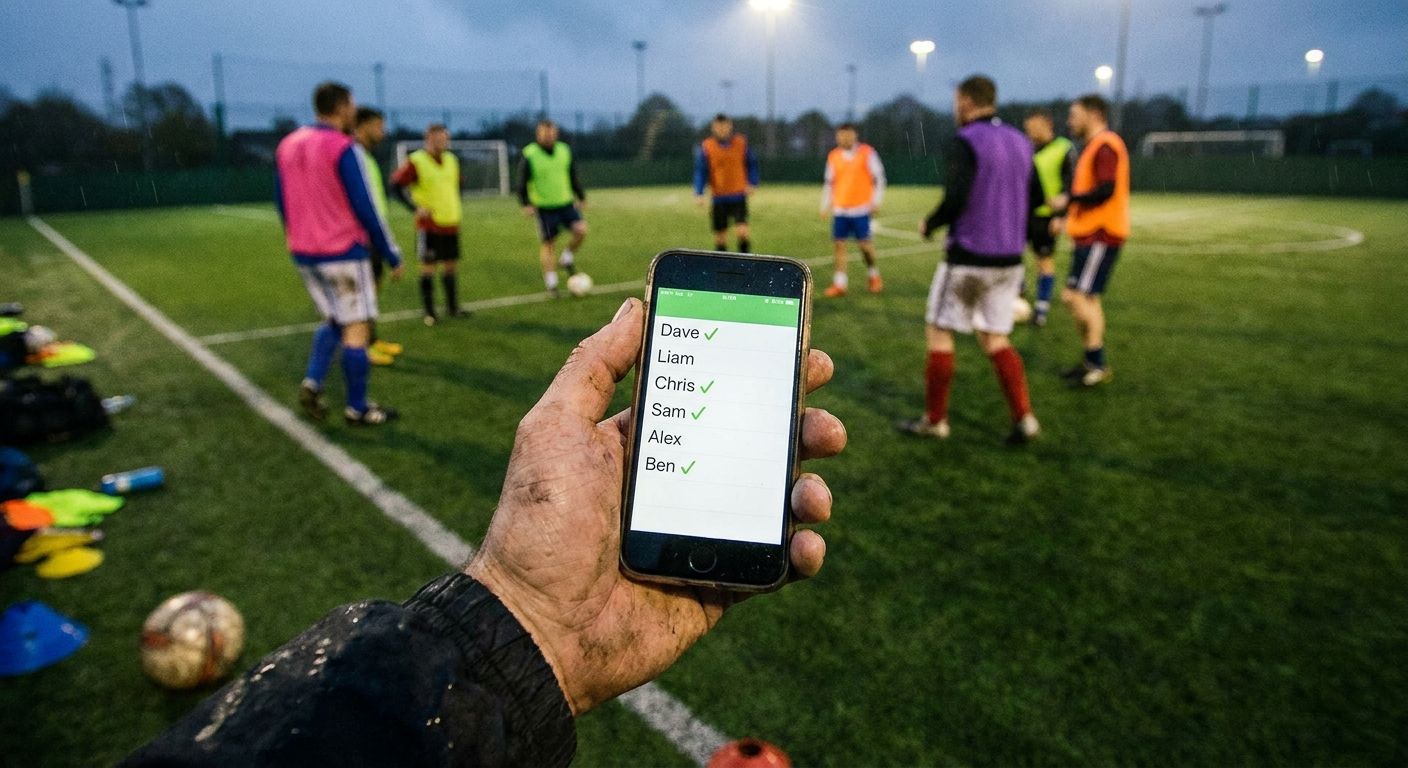
If you use a tool like FootDraw to manage your RSVPs, use the attendance list to post a public "Paid List" in your group chat. Seeing their name without a "Paid" checkmark next to it is often enough social pressure for a player to settle their debt without a direct message from you.
Handling Debt and Late Payments
Every group has one player who is "good for it" but never pays on time. To stop this from becoming a habit, you need clear rules:
- The Debt Limit: No player can play if they owe more than one match fee.
- Waitlist Priority: Players with a clean payment history get priority for high-demand matches.
- Transparency: Use a match cost splitter to show the group exactly how much the pitch costs and why every fee matters for the group's survival.
Record Keeping Simplified
You don't need a complex accounting degree to manage a weekly game, but you do need a single source of truth. Whether it is a simple spreadsheet or a dedicated management app, ensure you record:
- Date of the match.
- Total pitch cost.
- Who played.
- Who has paid.
By staying organized, you protect yourself from financial loss and ensure the group remains sustainable for the long term.
Pronto a organizzare la tua squadra di calcio?
Crea squadre equilibrate, organizza partite e monitora le statistiche — tutto in un unico posto.
Crea squadra