
App to Organize Weekly Football Matches With Friends
Use the best app to organize weekly football matches with friends. Automate RSVPs, balance teams fairly, and track stats for your recurring group.
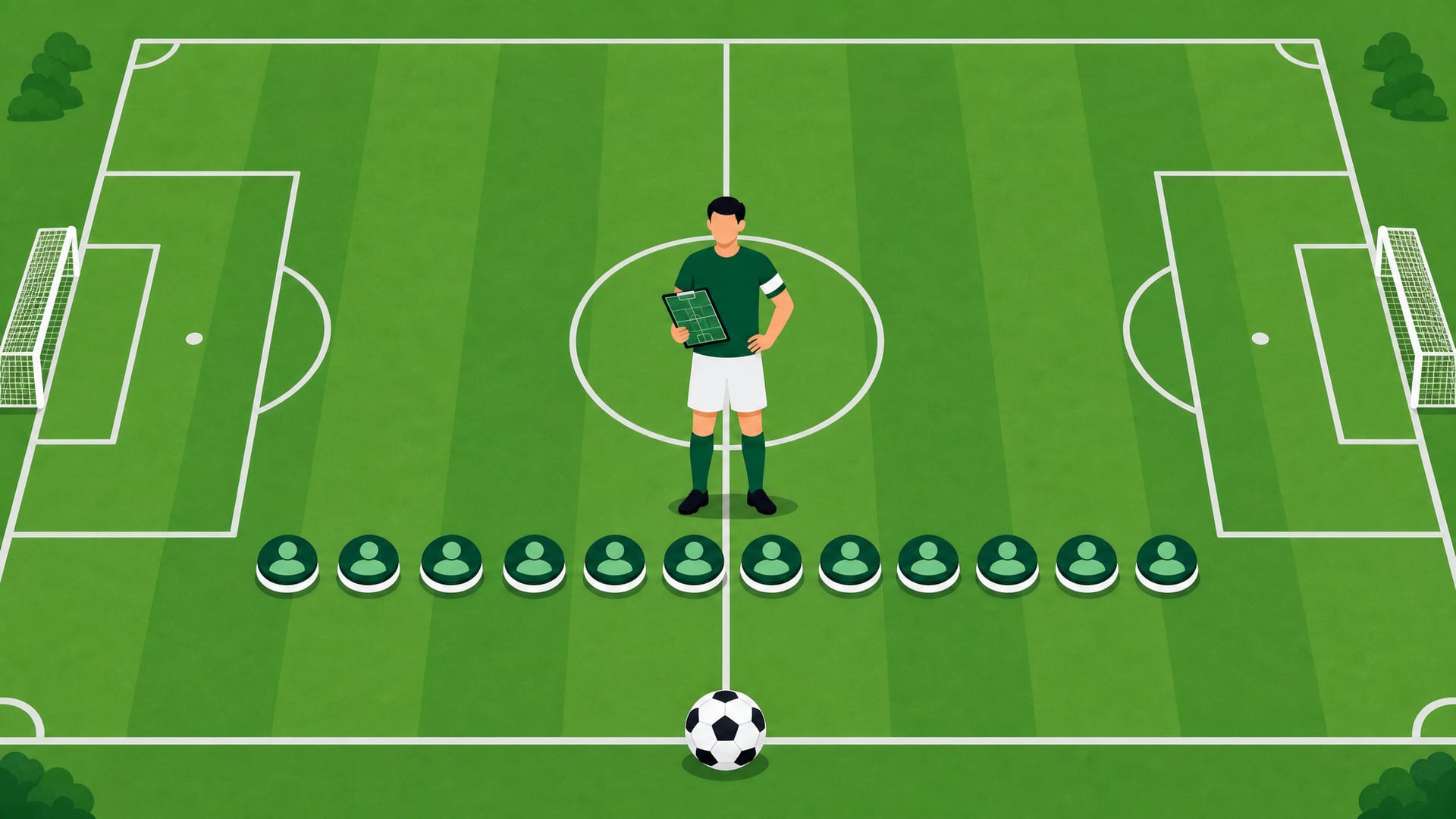
Organizing a consistent weekly game takes more than enthusiasm and a group chat. You need a system that handles the logistics so you can focus on playing instead of administering. The right app to organize weekly football matches with friends removes the friction from recurring fixtures and turns chaotic message threads into structured seasons. Over 1000 teams worldwide already trust FootDraw to run their weekly amateur football operations, because it targets the specific pain points regular organizers hit every week.
This tool isn't built for one-off tournaments or finding random pickup games in your city. It's for captains and organizers running private, recurring groups who need stability, not discovery.
Why Group Chats Fail at Organizing Recurring Matches
Relying on WhatsApp or texts for recurring matches leads to lost information and endless manual headcounts as the thread scrolls upward. You spend hours each week scrolling back through hundreds of messages just to confirm who actually said yes, as opposed to who merely reacted with an emoji. That's mental load you're carrying before you've even reached the pitch. A dedicated friends football scheduler cuts that noise by centralizing every response into one authoritative list. It updates automatically, so you're not copy-pasting names into a separate note.
Generic messaging apps lack the structure that consistent amateur sports management needs. Important details get buried under casual conversation, and by kickoff you can't tell confirmed attendees from tentative maybes. Dedicated organization tools fix this by separating logistical data from social chatter, so your roster stays accurate and visible to everyone involved.
Automating RSVPs for Your Weekly Football With Friends App
Manual confirmation chasing eats more organizer time than any other admin task in amateur football. Automated team generators use player skill ratings to build balanced lineups instantly, replacing the subjective captain picks that often spark disputes. None of that matters, though, if you can't first lock in a committed squad through efficient availability tracking.
Setting Clear Deadlines and Waitlists
Dedicated RSVP systems with waitlists and deadlines cut no-show rates far more than unstructured group chat confirmations. They force players to make a yes-or-no call instead of leaving a vague maybe hanging. When you stop chasing players for confirmation, you get back the hours you used to spend messaging people who never replied. The software handles reminders and cutoff times on its own. Players get clear notifications about their status, and anyone on the waitlist gets promoted automatically when a spot opens, so you're never stuck picking who gets the last slot.
Your group benefits from transparency, too: everyone sees the same real-time roster without needing to ask you directly. That cuts down on duplicate questions and stops the double-booking errors that plague spreadsheets when version control breaks down.
Tracking Attendance History Over Time
Historical attendance data shows you patterns, so you can predict turnout and manage flaky players without a confrontation or public callout. You can spot who consistently cancels late and adjust how you invite them, maybe moving them to the waitlist by default or giving them an earlier deadline. This record replaces memory and gives you something concrete to point to if commitment ever becomes a conversation.
Long-term trends also help you plan around seasonal dips in participation, so you can adjust pitch bookings ahead of time. Instead of guessing whether summer will gut your numbers, you check last year's data and decide on venue size and frequency accordingly.
Balancing Teams Instantly Without Arguments
Subjective team selection breeds resentment that wears down the social fabric of a recreational league over time. Algorithmic balancing takes personal bias out of the equation entirely, so the games stay fair regardless of who happens to be organizing that week.
Using Skill Ratings for Fair Matchups
Automated team generators use player skill ratings to build balanced lineups instantly, replacing the subjective captain picks that spark arguments about favoritism or lopsided sides. The algorithm weighs more than raw ability. It factors in position preferences and recent form, too, so both sides get a genuine shot at winning. You can learn more about how to split players into fair teams without bias to keep your whole squad engaged.
Players accept an algorithm's call more readily than a human's, because the process is transparent and consistent every time. Even someone who keeps landing on the losing side understands the system applied the same logic to everyone, rather than playing favorites.
Adjusting Lineups for Late Dropouts
Last-minute cancellations need immediate reshuffling, or you end up with a lopsided game that wastes everyone's evening. The app recalculates the optimal team split within seconds of a dropout, weighing the remaining squad's attributes to keep things even. That speed is what saves a match that would otherwise turn into a frustrating blowout under manual reorganizing.
You skip the panic of redrawing teams on a whiteboard while players stand around waiting. The system handles rebalancing across multiple positions at once, something even experienced organizers struggle to pull off accurately under time pressure.
Tracking Stats and Season History for Amateur Groups
Casual kickabouts turn into a proper season once players can see real progress in recorded performance data. Built-in stat tracking gives your group the narrative thread that keeps people coming back week after week, with stakes beyond just who won on Sunday.
Recording Goals, Assists, and Clean Sheets
Centralized recording means stats survive beyond individual memory and scattered notes on different phones. You can track individual performance metrics without juggling formulas or worrying about a corrupted file, since the platform runs the calculations for you. Players check their own stats any time, which feeds healthy competition and gives people something to chase over months of play.
The app logs these details right after each match, while memories are still fresh, so you avoid the data decay that comes with entering everything later. Accurate records also make end-of-season awards mean something, recognizing contributions beyond just goals.
Maintaining Long-Term League Tables
A persistent league table gives your weekly football with friends app the structure of a real competition instead of a string of disconnected matches. Standings update automatically after each fixture, factoring in goal difference, head-to-head record, and other tiebreakers without manual arithmetic. That frees you from doing the math yourself and keeps rankings current and beyond dispute all season.
Your group builds up its own history across multiple seasons. New members can look back at past champions and statistical leaders and feel part of an ongoing story instead of starting from zero the day they join.
Moving Beyond Spreadsheets to Dedicated Football Management
Spreadsheets break constantly under collaborative editing and mobile formatting quirks. Swapping spreadsheets for centralized management software kills version-control issues and gives every player real-time access to schedules and stats, no downloads or edit permissions required.
Manual data entry compounds its own errors over weeks, and those small discrepancies chip away at trust in your system. Purpose-built platforms enforce data integrity with validation rules and structured inputs, which head off common mistakes like duplicate entries or a broken formula. Over 1000 teams worldwide trust FootDraw for exactly this reason: it removes these failure points from the organizer's workflow.
The payoff comes mostly from time you get back and frustration you no longer have to deal with, not from flashy features. You reclaim the hours you used to spend fixing broken cells and reconciling conflicting versions, time you'd rather spend playing or resting.
If you're ready to modernize your approach, it's time to ditch the spreadsheet for good and use a system built for exactly this job.
Choosing the Right Tool for Your Regular Football Games
Not every football app serves recurring amateur groups well, so weigh your options against your actual needs before you commit. Tournament-focused platforms often lack the persistence and automation that weekly fixtures need. Social discovery apps, meanwhile, are built to help you find new players, not manage the group you already have.
Essential Features vs Nice-to-Haves
Prioritize automated RSVP handling, team balancing, and persistent stat tracking over secondary features like video highlights or social feeds. These are the capabilities that address the real friction points of recurring organization. Extras just add complexity without solving anything. Check whether the platform fits your specific match format and group size before you commit; some tools cap participants or don't flex for custom rules.
Your checklist should cover mobile access for players, offline functionality for pitches with poor signal, and export options for backing up historical data. These practical details decide long-term usability far more than marketing claims about cutting-edge technology or professional partnerships.
Onboarding Your Group Quickly
Frictionless adoption decides whether your group actually switches to the new platform or abandons it after one frustrated week. Share a simple invitation link that lets players join without creating an account or downloading anything up front. Show the value immediately by running the RSVP system during your next match, rather than explaining the benefits in the abstract.
Keep guidance minimal and focused on the essentials, like responding to invitations and checking team assignments. The most intuitive platforms need almost no training for players, saving the complexity for organizers who want to customize advanced settings later.
Streamlining Payments and Pitch Bookings
Integrated payment collection cuts your personal financial exposure when you're covering upfront venue costs for the group. Players pay directly through the platform, which creates an automatic record of who's contributed and kills the awkward cash-chasing conversations at the pitch. That turns you from debt collector back into fellow player, and it keeps the money out of the social dynamics of the group.
Venue management integration lets you book recurring slots and share location details alongside match invitations, all in one place. It's secondary to the core organizing functions, but it rounds out the admin side and cuts the mental load of running regular games further. You can view plans for your group size to find the tier with the payment and booking features your group needs.
Prêt à organiser votre équipe de football ?
Créez des équipes équilibrées, organisez des matchs et suivez les statistiques — tout en un seul endroit.
Créer une équipe