App to Rank Football Players for Fair Team Selection
Use an app to rank football players for team selection. Replace subjective picks with structured data to ensure balanced matches every season.
You can't balance a team if you don't know who's actually good. Most amateur organizers rely on gut feeling or outdated reputations when picking sides. That leads to lopsided matches that frustrate everyone on the pitch. An app to rank football players for team selection solves this by replacing subjective arguments with structured data that persists across seasons.
FootDraw serves over 1000 amateur teams worldwide. That scale is real-world validation that structured rating systems cut team imbalance complaints compared to manual selection methods. You need a workflow that captures skill levels accurately before the first whistle blows, not just a randomizer that hopes for the best.
Why Manual Player Ranking Fails Amateur Organizers
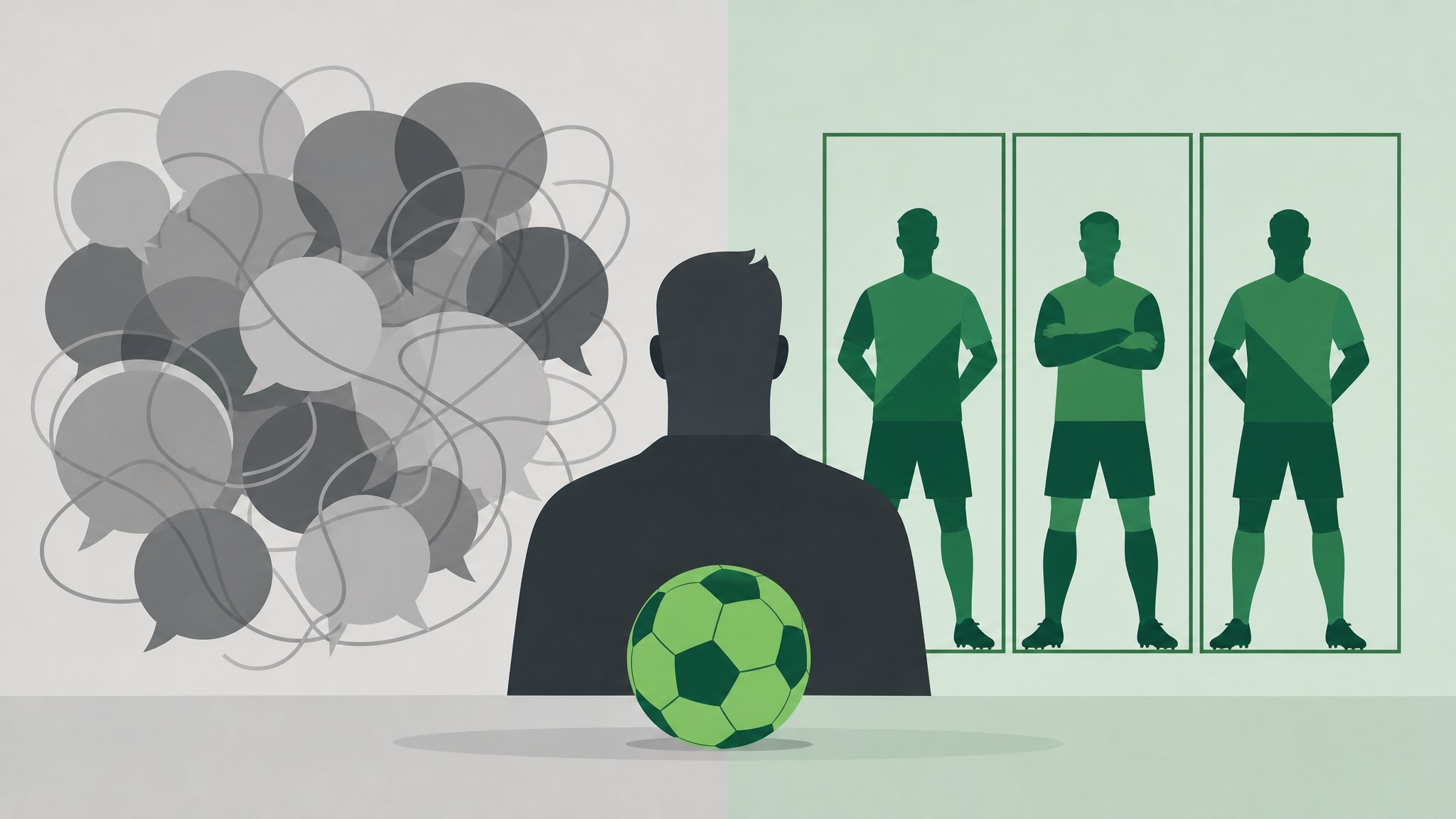
Subjective debates about player ability eat up hours of organizing time and rarely produce consensus among captains. Group chats fill with conflicting opinions about whether a striker's finishing outweighs a midfielder's passing range. Those discussions vanish into the message history without creating a usable reference for next week. This lack of institutional memory forces you to restart the evaluation process every time a new player joins or an old one returns from injury.
A digital rating system removes personal bias from team selection by forcing specific criteria over vague impressions. Assign a concrete value to each player, and the conversation shifts from arguing about past glory to verifying current performance against a shared standard. Balanced team generators rely entirely on the accuracy of input ratings. Even a sophisticated algorithm produces unfair matchups when you feed it outdated or subjective skill data.
Setting Up a Maintainable Football Player Rating System
Effective amateur rating systems prioritize simplicity and speed of update over granular precision. Overly complex metrics lead to organizer burnout and abandoned databases. You'll stop maintaining a system that requires twenty minutes of data entry after every match, so the scale needs to be intuitive enough to update in seconds while you're standing on the touchline.
Defining Simple Skill Tiers for Pickup Games
A five-point scale offers the ideal balance between granularity and usability for recreational leagues, where player variance is high but not infinite. Label tiers with clear descriptors rather than abstract numbers. That prevents rating creep, because organizers anchor their assessments to observable behaviors like defensive positioning or passing consistency instead of comparing players to professional standards. This structure gives your football player ranking system enough resolution to separate beginners from veterans without demanding scout-level analysis that no volunteer has time to provide.
Assigning Initial Ratings Without Historical Data
New players present a cold-start problem that can wreck balance if you guess wrong or default everyone to average. Ask newcomers to self-rate against your defined tier descriptions during signup. Then adjust that baseline after their first two matches based on observable impact, rather than waiting for statistical significance. This gets the generator working immediately, and it signals to the player that their rating is provisional and subject to correction as you gather more evidence of their actual level.
How Skill Ratings Feed Balanced Team Generators
The algorithm doesn't create fairness. It only distributes the values you provide. Understanding this dependency helps you diagnose why generated teams still feel uneven despite using a tool designed to fix exactly that problem.
The Math Behind Fair Matchups
When you use a football team generator by rating, the software sums individual scores and splits players into groups with minimal variance in total strength. This works only when each input number reflects true relative ability. A single misrated star or underrated novice introduces systemic imbalance that no sorting logic can correct. Treat rating maintenance as the primary input to team quality, not something the generator compensates for on its own.
Handling Position-Specific Weighting
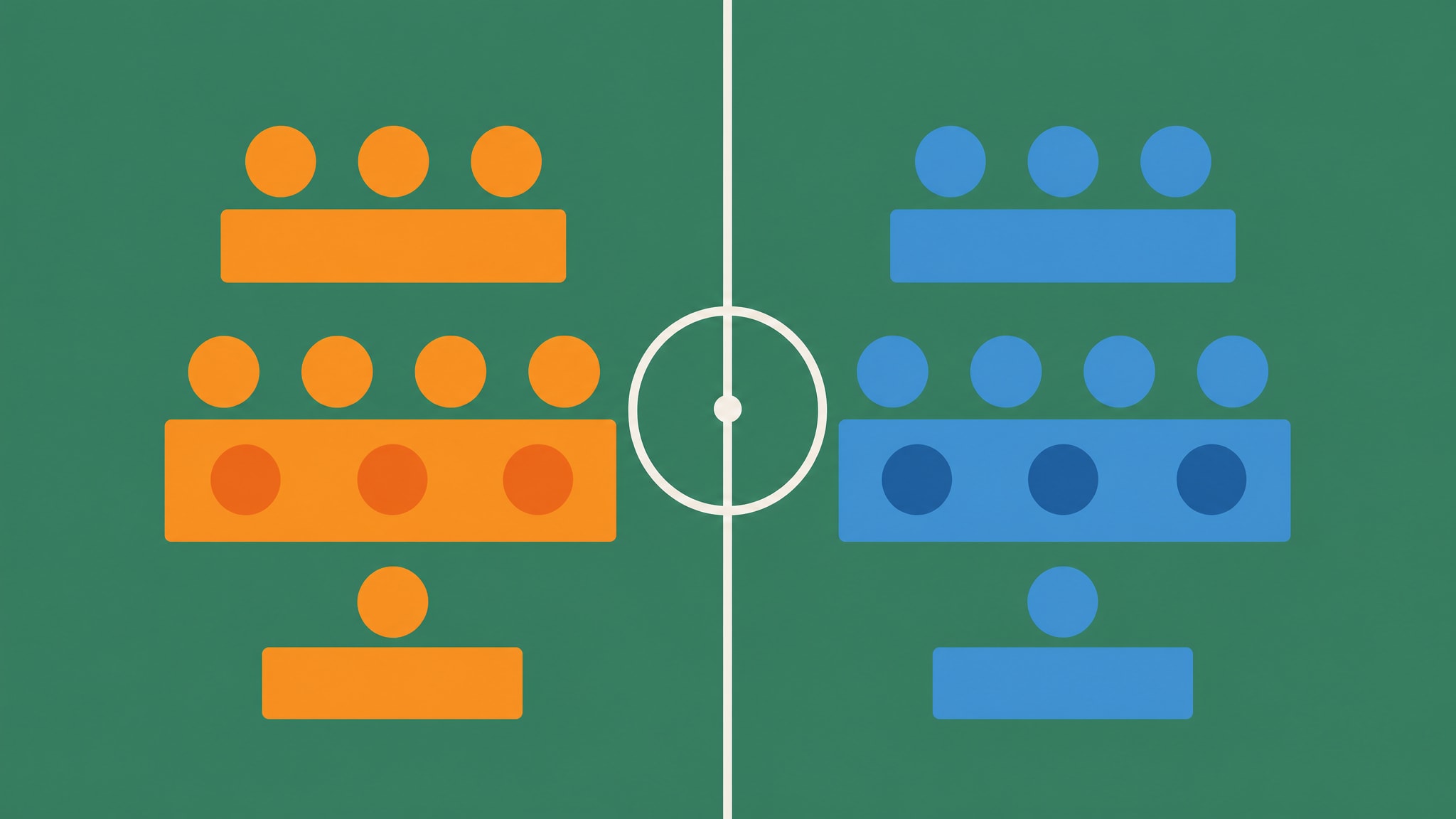
Equal overall rating sums still produce unbalanced games if one team stacks all its defensive points in goal while the other spreads them across midfield. Modern tools allow position-specific weighting, so a goalkeeper's shot-stopping ability counts differently than a forward's pace when calculating team strength. Learning how to balance teams for pickup soccer means acknowledging that raw point totals mask structural weaknesses that only positional context reveals.
Updating Player Ratings Match After Match
Static ratings decay the moment a player improves, regresses, or changes role within your group. A system that never updates becomes a historical artifact rather than a functional tool for fair competition.
Automated Adjustments Based on Performance
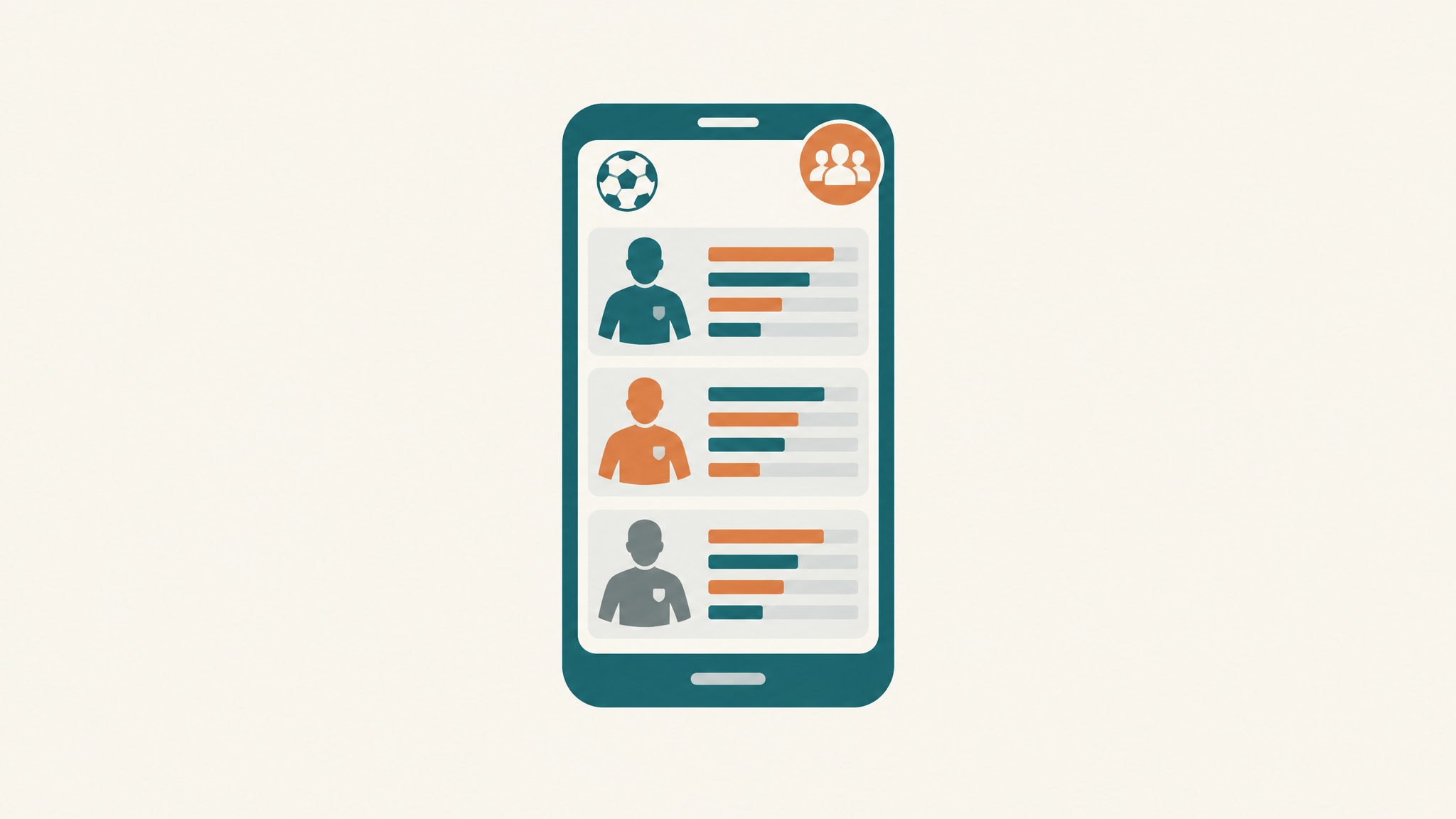
Connecting your rankings to match outcomes creates a feedback loop: wins and losses suggest rating corrections without requiring manual review after every fixture. A player stats tracker app can flag players whose team win rate consistently beats or falls below their current rating, prompting adjustments that keep the database aligned with reality. This automation handles the bulk of maintenance work, so you focus only on the edge cases where the math misses something humans understand better.
Manual Overrides for Contextual Factors
Algorithms can't see injuries, tactical mismatches, or off-field issues that temporarily depress performance. You retain veto power over automated suggestions, because context matters more than correlation when a rated player returns from layoff or switches positions mid-season. This hybrid approach stops the system from punishing someone for playing through pain, or rewarding a ringer who dominated one mismatched game before disappearing.
Managing Self-Ratings and Co-Organizer Input
Delegating rating duties spreads the workload but introduces inconsistency unless you set up verification upfront. When multiple organizers contribute to the same database, they need shared calibration standards, or the ratings drift apart as each person applies their own internal scale.
Collecting self-assessments at registration gives you a starting point that players accept more readily than arbitrary assignments from strangers. Sandbagging becomes obvious when self-ratings consistently diverge from match outcomes, giving you grounds to override without looking arbitrary. You prevent ego-inflation by making ratings visible only to organizers and tying adjustments to documented performance trends rather than individual complaints or lobbying.
Turning Subjective Opinions Into Repeatable Selection Data
Ad-hoc team picking feels democratic until the same three people always end up together and newcomers quit from frustration. Moving to a data-driven workflow turns scattered impressions into a cumulative asset that survives organizer turnover and roster churn.
Consistent rating maintenance is the prerequisite for fair automated generation and long-term league health. Without that foundation, every balancing tool eventually fails, because it optimizes around noise instead of signal.
Choosing the Right App to Rate Football Players
Generic team picker apps often allow one-off score entry but lack persistent player profiles. That forces organizers to re-rate the same individuals weekly instead of building cumulative skill data. Dedicated platforms integrate RSVP tracking, season history, and mobile-first design, so rating updates happen naturally within your organizing workflow rather than as a separate administrative burden.
That integration is what separates tools built for amateur football management from fantasy sports apps or spreadsheet templates that assume static rosters and unlimited admin time. Review FootDraw pricing plans to find a plan that matches your group's size and commitment level, without paying for enterprise features you'll never use. The right app makes accurate player ranking sustainable enough that you actually maintain it throughout the season.
Frequently Asked Questions
How do I assign initial skill ratings to new players with no match history?
Ask new players to self-rate against your defined tier descriptions during registration, then treat that as a provisional baseline. Adjust the rating after their first two matches based on observable impact rather than waiting for statistical significance. This gets the generator working immediately while allowing quick correction as real performance data accumulates.
What is the most effective rating scale for balancing amateur football teams?
A five-point scale with clear behavioral descriptors offers the best balance between granularity and maintenance effort for recreational play. More granular scales create false precision that organizers abandon, while simpler binary distinctions cannot capture the variance typical in amateur groups. Anchor each tier to observable skills like positioning or passing consistency rather than abstract numbers.
Can an app automatically adjust player ratings based on match performance?
Yes, dedicated platforms can flag players whose team win rates consistently diverge from their current rating and suggest adjustments. However, you should retain manual override capability because algorithms cannot account for injuries, positional changes, or temporary form dips. Automation handles routine maintenance while human judgment addresses contextual exceptions.
How often should player ratings be updated to maintain fair team generation?
Update ratings after every match cycle or weekly session to capture improvement, regression, and returning players before imbalance compounds. Waiting for monthly reviews allows drift to accumulate and makes corrections feel punitive rather than responsive. Tie updates to documented outcomes so adjustments appear systematic rather than arbitrary.
Պատրա՞ստ եք կազմակերպել ձեր ֆուտբոլային թիմը:
Ստեղծեք հավասարակշռված թիմեր, կազմակերպեք խաղեր և հետևեք վիճակագրությանը՝ մեկ վայրում։
Ստեղծել թիմ