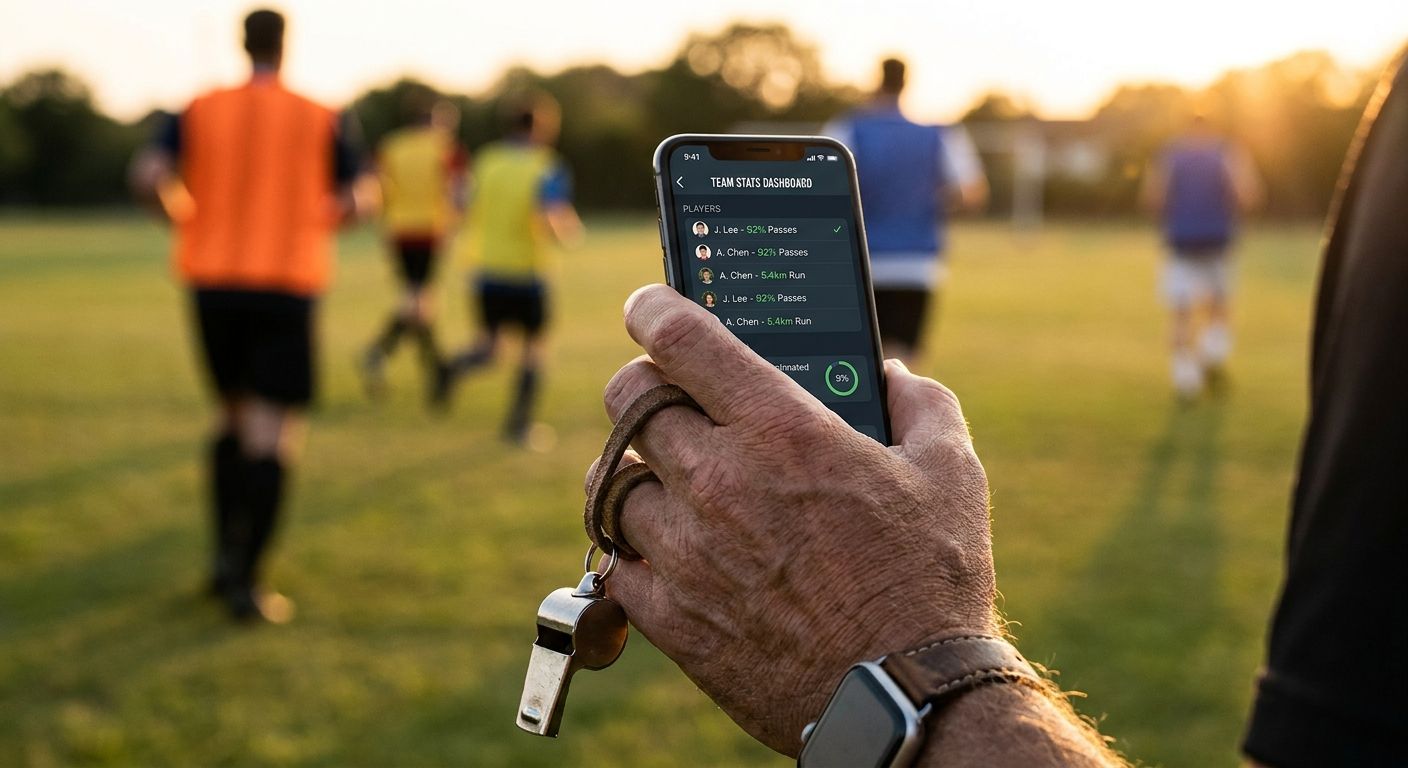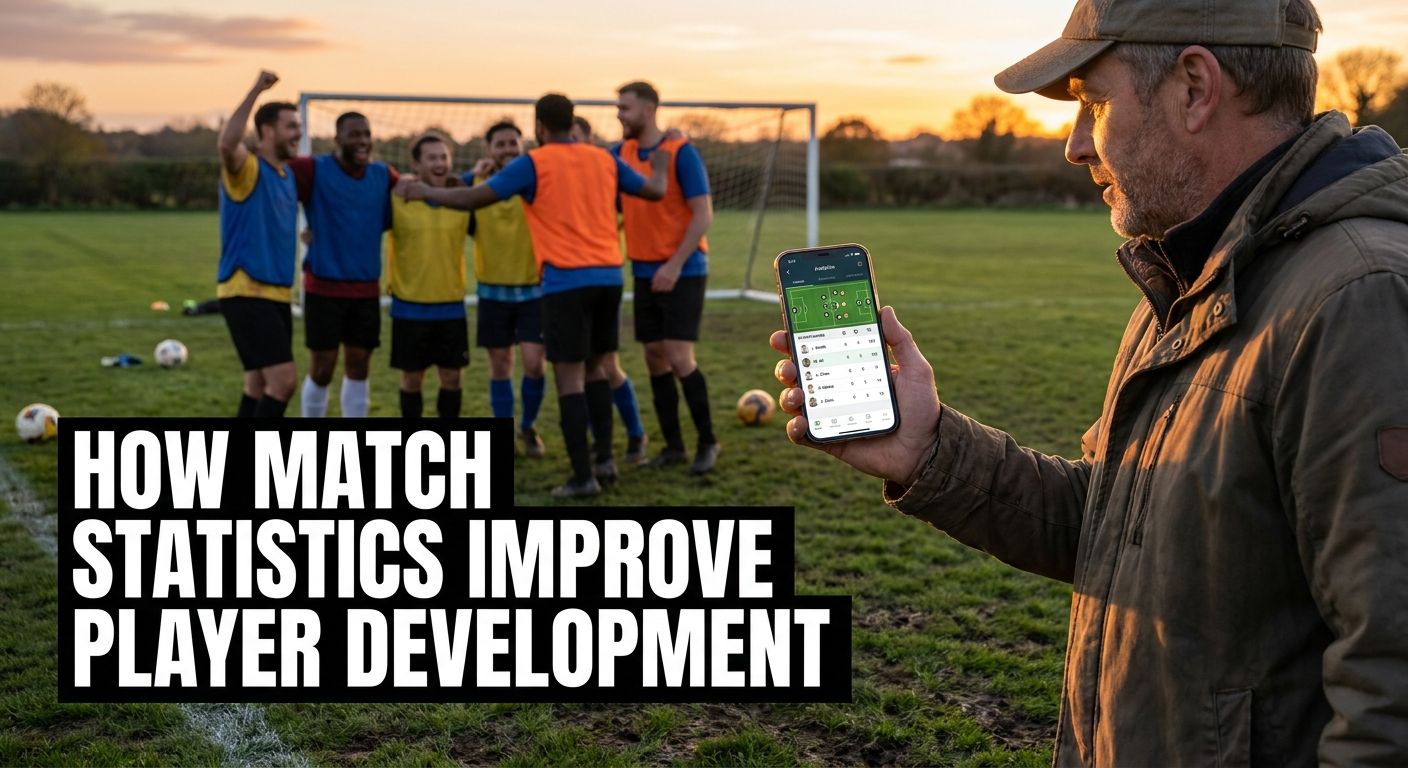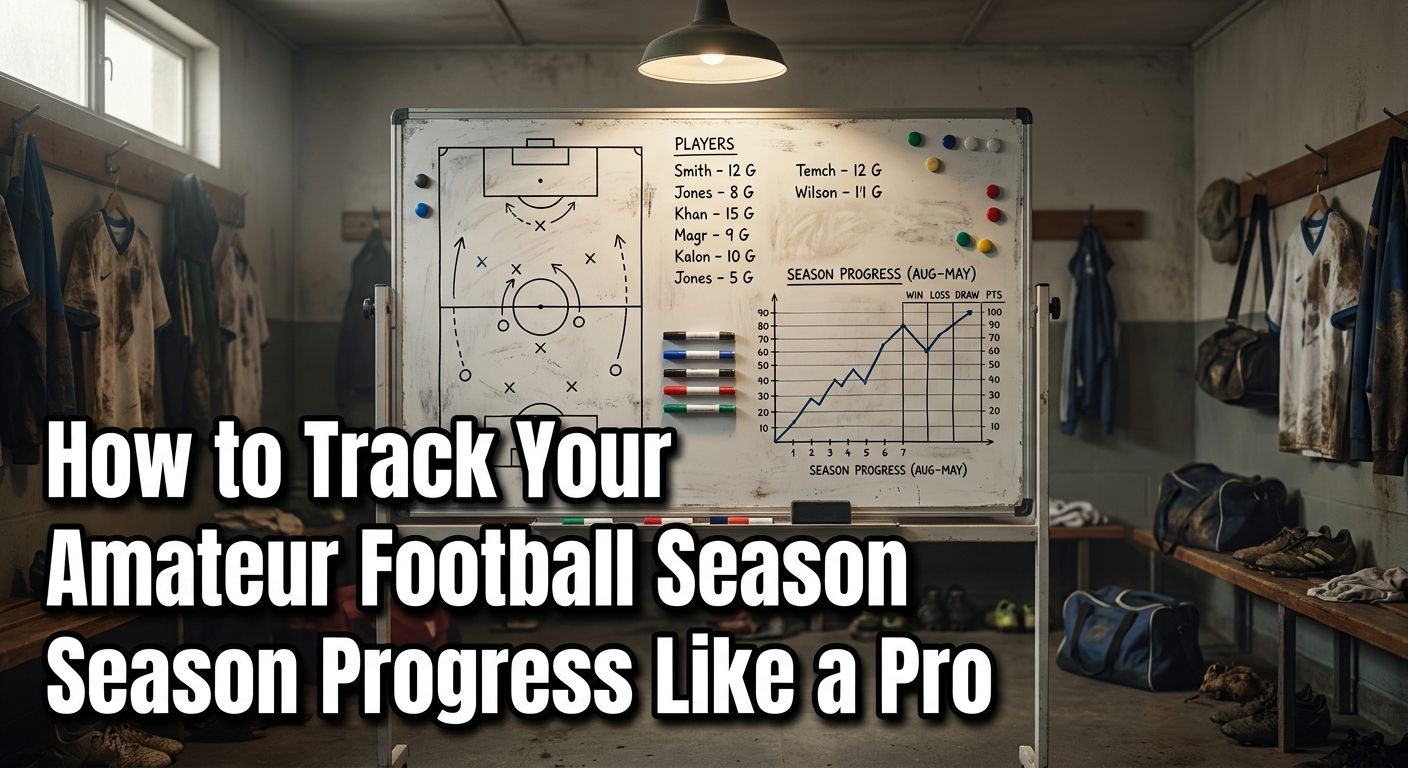
5 Reasons Every Amateur Football Team Should Track Match Stats
Stop the arguments over who is the top scorer. Learn how tracking goals, assists, and MVPs transforms your grassroots squad into a professional community.
Table of contents
5 Reasons Every Amateur Football Team Should Track Match Stats
👋 Introduction
Who scored the winning goal three weeks ago? Was it Dave from a corner, or an own goal?
In most amateur teams, these details fade into memory by the time you reach the pub. This lack of data is a missed opportunity for your squad.
Tracking stats isn't just for the Premier League. It is the secret to building a loyal, competitive, and highly organized grassroots community.
In this guide, we will explore why data is your best friend. We will show you how to move from messy memories to a professional club legacy.
📈 Boost Player Engagement and Retention
Players love seeing their names on a leaderboard. It makes the Tuesday night session feel like a Champions League final.
When you track goals and assists, you give players a reason to come back. They aren't just playing a game; they are building a profile.
- ⚽️ Recognition: Highlighting the top scorer makes players feel valued.
- 🤝 Contribution: Tracking assists rewards the unselfish playmakers.
- 🏆 Motivation: A leaderboard creates healthy competition within the group.
Engagement drops when players feel invisible. Stats make every player feel like a pro.
⚖️ Create Perfectly Balanced Matches
Lopsided games are the silent killer of amateur football. Nobody enjoys winning 10-0, and nobody likes losing by that much either.
Stats provide the objective data needed to balance teams. You can't rely on "vibes" to pick fair squads every week.
- 📊 Rating Systems: Use stats to assign a dynamic skill rating to every player.
- 🔄 Automatic Splits: Data allows you to generate fair teams instantly.
- 🔥 Competitive Edge: Balanced teams lead to closer, more exciting games.
When matches are competitive, player satisfaction sky-rockets. Data ensures the game stays fun for everyone.
🏆 Build a Lasting Club Legacy
Amateur football is about community and history. Stats help you document that history for years to come.
Imagine looking back after five years and seeing who played the most games. Or knowing exactly who the "All-Time Top Scorer" of your Friday night group is.
- 📖 The Story: Stats tell the story of your team’s growth over several seasons.
- 🎖️ Hall of Fame: Create awards for the most MVPs or the longest win streak.
- 🗣️ Social Buzz: Share weekly stat updates in your group to keep the conversation going.
This sense of history turns a random group of players into a real club.
🏆 Why Successful Teams Use FootDraw
Managing stats on a spreadsheet is a nightmare. It is time-consuming and often leads to errors.
FootDraw solves this by centralizing your management. It moves you away from messy chats and into a professional web app.
- ✅ RSVP Tracking: Know exactly who is playing days before kick-off.
- ⚖️ Team Generation: Use player ratings to create fair, balanced teams automatically.
- 📊 Stat Tracking: Log Goals, Assists, and MVPs in seconds after the whistle.
- 📱 Player History: Every player gets a personal profile with their career highlights.
FootDraw handles the admin so you can focus on the football.
❌ Common Mistakes That Limit Growth
- Tracking Too Much Data: Start simple with goals and assists. Don't try to track pass completion rates yet.
- Keeping Stats Private: Data is useless if the players don't see it. Share the leaderboards weekly.
- Subjective Biases: Ensure you have a clear way to verify scorers. Avoid favoring friends in the MVP vote.
- Using Paper and Pen: Physical notes get lost or muddy. Use a digital tool to ensure data is permanent.
💡 Growth Checklist for Amateur Football Teams
✅ Pick Your Metrics: Decide which 3 stats matter most (e.g., Goals, Assists, Appearances).
✅ Assign a "Stat-Man": Pick one person to record the data immediately after each game.
✅ Set a Deadline: Update the leaderboards within 24 hours of the match.
✅ Celebrate Milestones: Give a small shoutout when a player hits 50 goals or 100 games.
✅ Use Professional Tools: Ditch WhatsApp polls for a dedicated app like FootDraw.
❓ Frequently Asked Questions
Is tracking stats too much work for a small team? Not with the right tools. Recording goals and assists takes less than two minutes at the end of a match.
Which stats are most important for grassroots? Attendance is #1. After that, Goals and Assists provide the most engagement for the least effort.
How do stats help with team balancing? By tracking performance, you can assign numerical ratings. This allows an algorithm to split teams fairly every time.
What if players argue about who scored? The organizer has the final say. Keeping a digital log makes these disputes easier to manage.
Does tracking stats make the game too serious? Usually, it's the opposite! It adds a layer of fun and "fantasy football" style excitement to the group.
🎯 Conclusion
Data is the bridge between a casual kickabout and a thriving football community. It drives engagement, ensures fair play, and builds a legacy.
Stop guessing and start tracking. Your players will thank you for the professional touch.
🚀 Try FootDraw for Free
Ready to elevate your team management? Use FootDraw to track your RSVPs, generate balanced teams, and record your match stats today.
Ready to organize your football team?
Build balanced teams, organize matches and track stats — all in one place.
Create Team