How to Schedule Weekly Football Matches Without the Stress
Stop the matchday chaos. Learn expert tips on scheduling weekly football matches, managing RSVPs, and organizing your grassroots team efficiently.
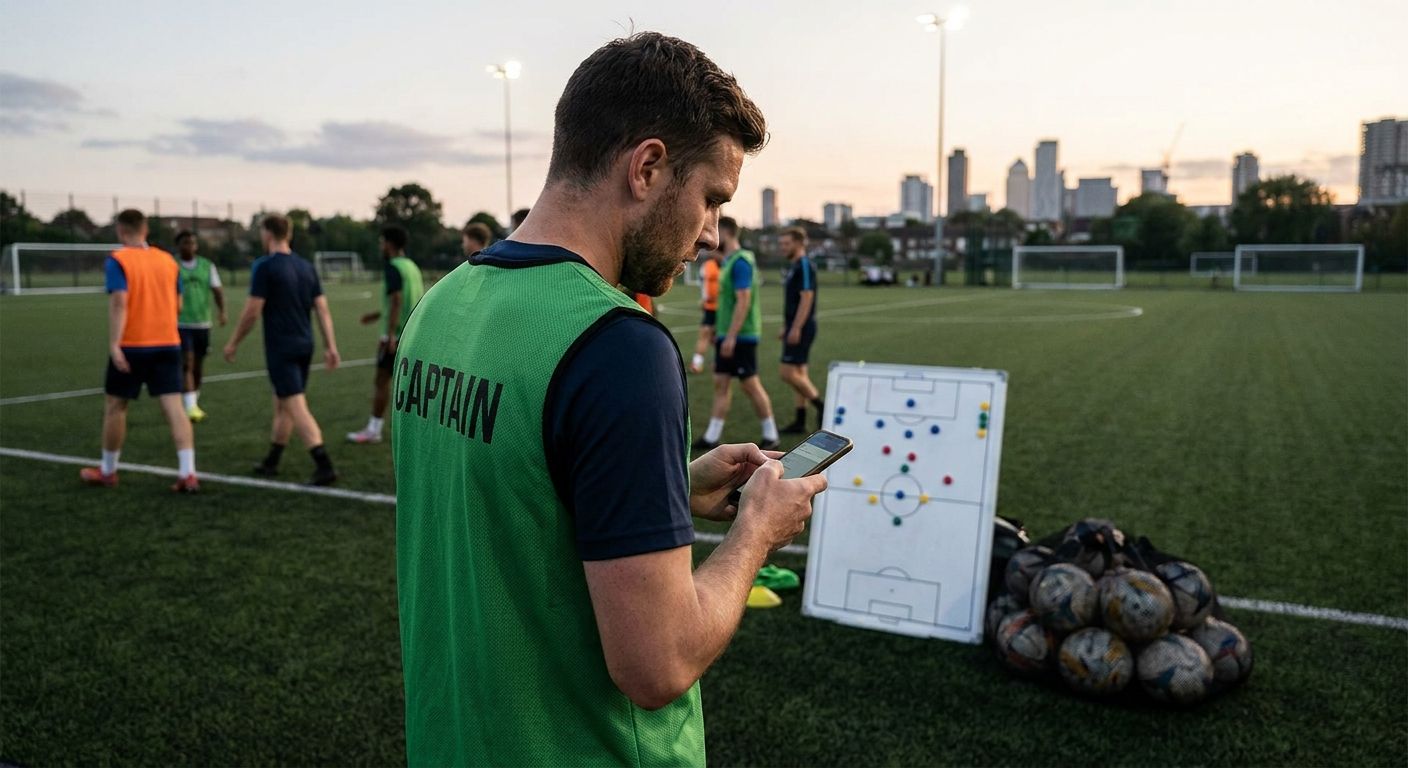
Table of contents
- 👋 Introduction
- 📅 Establish a Fixed Booking Rhythm
- 🔔 Implement the 72-Hour RSVP Rule
- 📍 Provide All Logistics in One Message
- 🔄 Manage a Reliable Standby List
- 🏆 Why Successful Teams Use FootDraw
- ❌ Common Mistakes That Limit Growth
- 💡 Growth Checklist for Amateur Football Teams
- ❓ Frequently Asked Questions
- 🎯 Conclusion
- 🚀 Try FootDraw for Free
How to Schedule Weekly Football Matches Without the Stress
👋 Introduction
Scheduling weekly football matches is the hardest part of being a football captain.
You spend your Tuesday nights chasing 14 people who haven't replied to a message.
Then, Friday morning arrives and three players drop out because they "forgot."
Running a grassroots football team shouldn't feel like a second full-time job.
With a clear system, you can turn the weekly chaos into a smooth, professional routine.
📅 Establish a Fixed Booking Rhythm
Consistency is the secret to high player attendance.
If your match time changes every week, your players will naturally double-book themselves.
Try to secure a block booking at your local pitch for the same time every week.
Imagine your Tuesday evening team knows they play at 8:00 PM every single week.
They stop asking "when is the game?" and start building their lives around it.
💡 Pro Tip: If you can't get a block booking, set a specific day each week (like Sunday night) to confirm the next slot.
🔔 Implement the 72-Hour RSVP Rule
You cannot wait until the day of the match to know your numbers.
Set a strict deadline for players to confirm their availability.
We recommend a 72-hour cutoff before kick-off.
If a player hasn't replied by then, move to your standby list immediately.
Using a Football Attendance Tracker helps you see exactly who is in and who is ghosting you.
This creates a culture of accountability where players respect your time as an organizer.
📍 Provide All Logistics in One Message
Never send information in fragments across a busy group chat.
Players miss details when they are buried under 50 memes and jokes.
Every match invite should include:
- Date and Time: Explicitly state the kick-off time.
- Location: Provide a Google Maps link to the exact pitch entrance.
- Cost: State the match fee and how to pay (e.g., "£5 via bank transfer").
- Kit Color: Tell them exactly what color shirt to bring to avoid confusion.
When information is clear, you reduce the number of repeat questions you have to answer.
🔄 Manage a Reliable Standby List
Every amateur football team needs a "Plan B."
Build a list of reliable "ringers" or casual players who can fill in at short notice.
When your regulars drop out, you should have a go-to list of 5-10 people to contact.
Be honest with these players about their status as backups.
Many people enjoy playing once a month without the commitment of a full season.
Keeping a record of their performance and Football Statistics can help you decide who to promote to the first team later.
🏆 Why Successful Teams Use FootDraw
Successful organizers stop using manual spreadsheets and messy group chats.
FootDraw simplifies the entire scheduling process into one centralized web app.
You can create matches with specific dates, times, and locations in seconds.
Instead of tallying names in WhatsApp, you collect RSVPs (Playing / Not Playing / Maybe) directly in the app.
FootDraw even allows you to send automated attendance reminders to those who haven't replied.
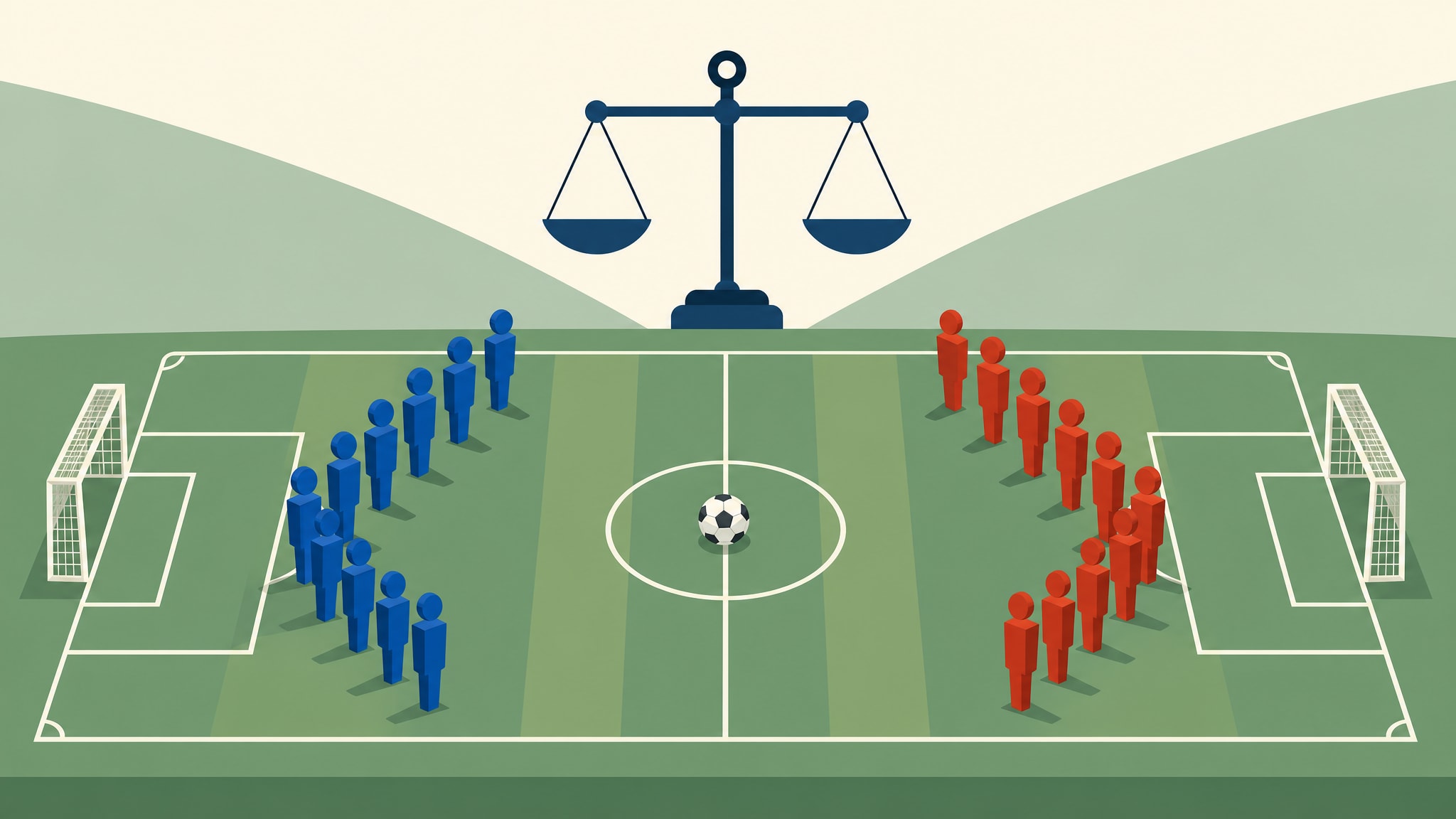
Once your list is full, you can use the 0–100 player rating system to generate fair, balanced teams automatically.
This removes the bias from team selection and ensures every weekly match is competitive.
❌ Common Mistakes That Limit Growth
- Chasing players individually: This wastes your time and rewards laziness.
- Accepting "Maybe" as a final answer: A "maybe" is a "no" until it's a "yes."
- Changing venues at the last minute: This is the fastest way to lose players.
- Ignoring the financial side: Unpaid match fees will eventually kill your team.
⚠️ Common Mistake: Allowing players to show up without confirming. This leads to 13 players for a 5-a-side game and leaves people frustrated on the sidelines.
💡 Growth Checklist for Amateur Football Teams
✅ Monday: Confirm pitch booking and send out the match invite.
✅ Wednesday: Send a reminder to everyone who hasn't RSVP'd.
✅ Thursday: Deadline for regulars. Start calling the standby list if short.
✅ Friday: Finalize the squad and collect match fees in advance.
✅ Saturday: Generate balanced teams based on 0-100 player ratings.
✅ Matchday: Arrive 10 minutes early with the bibs and balls ready.
❓ Frequently Asked Questions
How many players should I have in my squad? For a weekly 5-a-side game, you need at least 15-18 reliable players in your pool to ensure 10 show up every week.
What do I do if someone cancels an hour before? Have a policy that last-minute cancellations still pay the match fee. This discourages flakes and covers your pitch costs.
Should I rotate players who are always late? Yes. Punctuality is part of team culture. If someone is consistently late, move them to the standby list.
How do I make teams fair every week? Use a rating-based system. Assign every player a value on a 0–100 scale and split the total points evenly between the two sides.
Is WhatsApp or Telegram better for organizing? Both are good for chat, but both fail at tracking RSVPs. Use a dedicated tool like FootDraw alongside your chat app.
🎯 Conclusion
Scheduling weekly football matches doesn't have to be a headache.
By establishing a rhythm, setting firm deadlines, and using the right tools, you can focus on the game instead of the admin.
A well-organized match leads to better player retention and a stronger community.
🚀 Try FootDraw for Free
Ready to end the WhatsApp chaos for good?
Manage your players, track attendance, and generate perfectly balanced teams with FootDraw.
Ready to organize your football team?
Build balanced teams, organize matches and track stats — all in one place.
Create Team