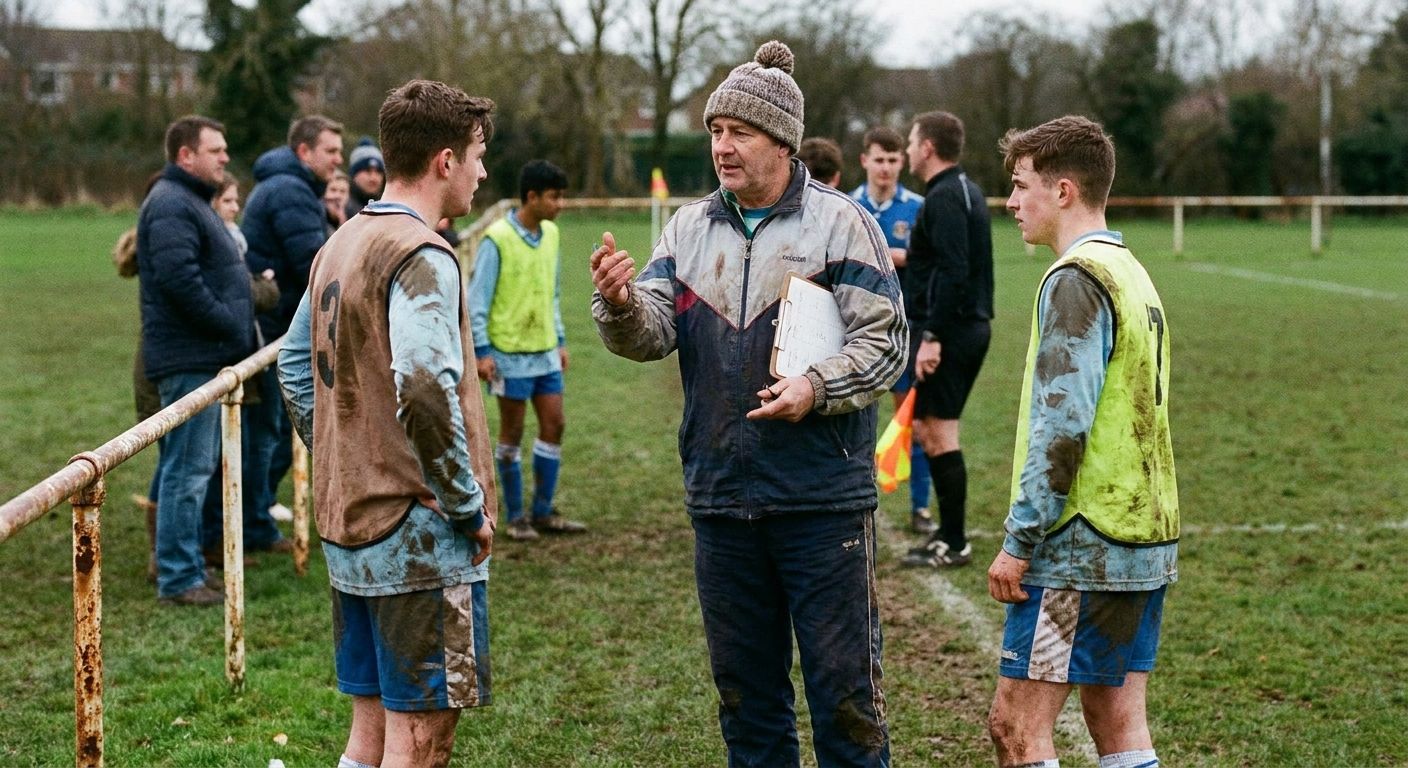
How to Grow an Amateur Football Team
Discover proven strategies to grow your amateur football team, improve attendance, engage players, and build a thriving football community.
Índice
- 👋 Introduction
- 🎯 Why Most Amateur Football Teams Struggle
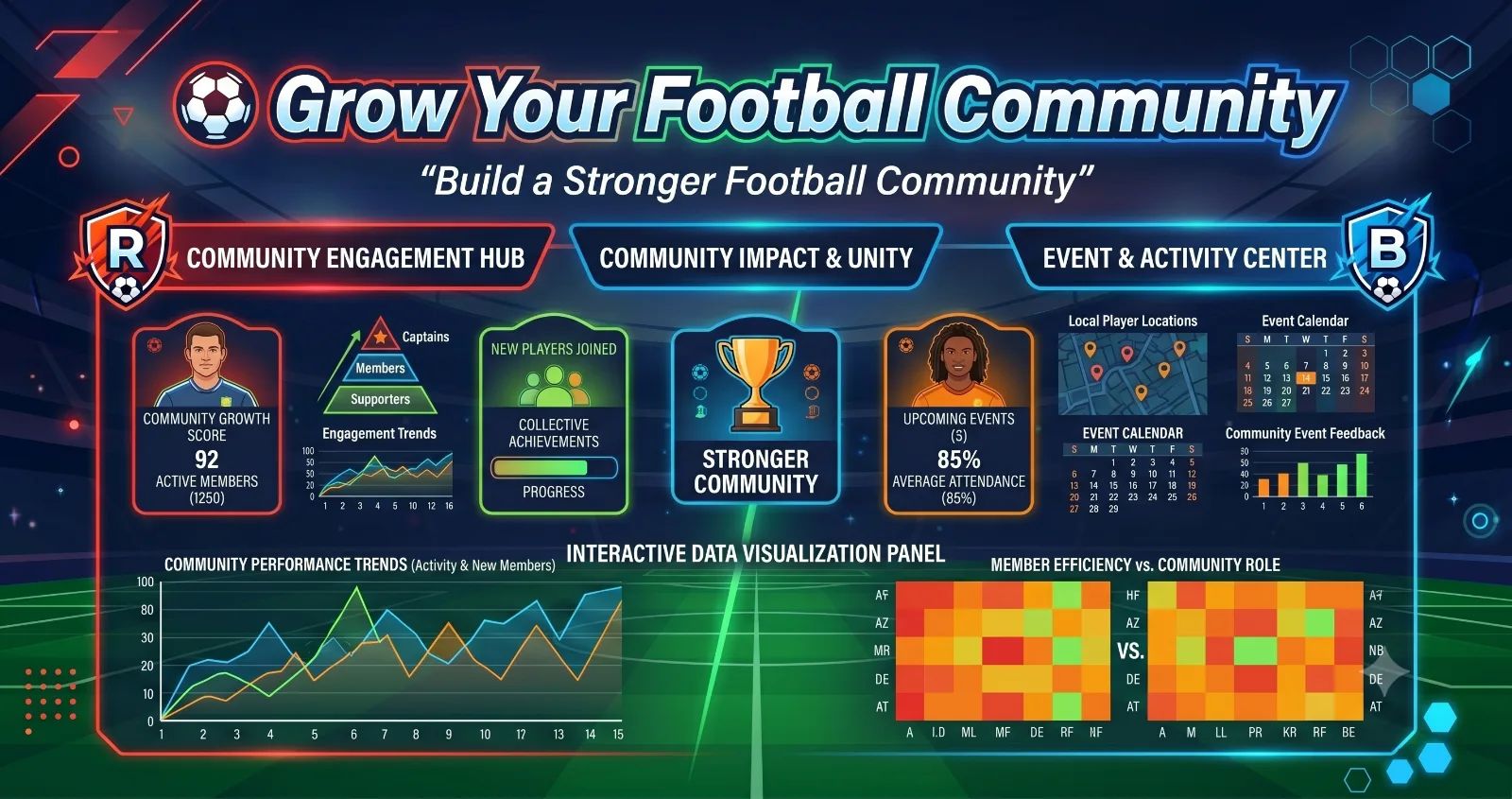
- 👥 Focus on Community, Not Just Football
- 📅 Create a Consistent Schedule
- 📢 Improve Team Communication
- ✅ Make Attendance Tracking Simple
- 🏆 Create Competitive Matches
- 📈 Track Player Statistics
- 🤝 Welcome New Players Properly
- 🌍 Expand Through Existing Players
- 📸 Share Match Content
- 🥇 Recognize Player Contributions
- 📊 Use Data to Improve Organization
- 🚀 Use Football Management Software
- 🏆 Why Successful Teams Use FootDraw
- ❌ Common Mistakes That Limit Growth
- Cancelling Matches Frequently
- Ignoring New Players
- Not Tracking Attendance
- Creating Unbalanced Teams
- Relying on One Organizer
- 💡 Growth Checklist for Amateur Football Teams
- ❓ Frequently Asked Questions
- How do I get more players for my football team?
- How many players should an amateur football team have?
- Why do players stop attending matches?
- Should amateur teams track statistics?
- What's the best way to manage a football team?
- How long does it take to grow a football community?
- 🎯 Conclusion
- 🚀 Try FootDraw for Free
How to Grow an Amateur Football Team
👋 Introduction
Starting an amateur football team is easy.
Growing it into a thriving community is much harder.
Many football teams begin with a small group of friends who play regularly. Over time, players move away, schedules change, attendance drops, and organizers struggle to keep matches running consistently.
The most successful amateur football teams don't grow by accident. They follow a process that keeps players engaged, attracts new members, and creates an enjoyable football experience.
In this guide, you'll learn practical strategies to grow your amateur football team, improve attendance, and build a football community that lasts for years.
🎯 Why Most Amateur Football Teams Struggle
Many football groups face the same challenges:
❌ Players stop attending regularly
❌ Organizers do everything themselves
❌ Communication becomes messy
❌ New players don't feel included
❌ Matches get canceled due to low attendance
❌ Team organization becomes difficult
The good news is that these problems are preventable.
With the right systems, even a small football group can grow into a large and active community.
👥 Focus on Community, Not Just Football
The strongest football teams are built around relationships.
People rarely return every week because of football alone.
They return because they enjoy:
🤝 The people
😄 The atmosphere
🏆 The competition
🎉 The community
As an organizer, your goal is not simply to schedule matches.
Your goal is to create an experience that players want to be part of.
📅 Create a Consistent Schedule
One of the biggest mistakes football organizers make is changing match times constantly.
Consistency creates habits.
For example:
✅ Every Tuesday at 8 PM
✅ Every Saturday at 10 AM
When players know exactly when matches happen, attendance becomes much easier to maintain.
Consistency reduces uncertainty and improves long-term participation.
📢 Improve Team Communication
Poor communication kills football groups.
Players need quick answers to questions like:
- When is the next match?
- Who is playing?
- Where are we playing?
- What time should we arrive?
A structured communication process helps eliminate confusion.
Avoid relying on dozens of chat messages that quickly disappear.
Instead, centralize information so players can easily find match details.
✅ Make Attendance Tracking Simple
Nothing frustrates organizers more than uncertainty.
If you don't know who is coming, organizing matches becomes difficult.
Use attendance tracking to collect responses before every match:
✅ Playing
❌ Not Playing
🤔 Maybe
Knowing attendance early allows organizers to:
- Confirm matches
- Reserve pitches
- Balance teams
- Invite additional players when needed
🏆 Create Competitive Matches
Players enjoy winning.
But they enjoy competitive matches even more.
One-sided games often lead to frustration.
Instead, focus on:
⚖️ Balanced teams
📊 Player ratings
⚽ Fair competition
When matches are close, players remain engaged regardless of the result.
📈 Track Player Statistics
Statistics create engagement.
Players love seeing:
⚽ Goals
🎯 Assists
🏆 Wins
📊 Match history
Statistics provide motivation and give players something to improve each week.
Even casual football groups benefit from tracking performance.
🤝 Welcome New Players Properly
Many teams struggle to integrate new members.
A new player who feels ignored often never returns.
When someone joins:
✅ Introduce them to the group
✅ Explain how matches work
✅ Help them learn player names
✅ Include them in conversations
First impressions matter.
A welcoming environment accelerates growth.
🌍 Expand Through Existing Players
Your current players are your best marketing channel.
Happy players naturally invite:
👥 Friends
👥 Colleagues
👥 Family members
👥 Former teammates
Encourage members to bring guests occasionally.
Most successful amateur football teams grow through referrals rather than advertising.
📸 Share Match Content
People enjoy seeing themselves involved.
Consider sharing:
📷 Match photos
🎥 Highlights
🏆 MVP announcements
📊 Top scorer leaderboards
⚽ Match summaries
Content keeps players connected even when they miss a game.
It also helps attract new players.
🥇 Recognize Player Contributions
Recognition matters.
Players appreciate being acknowledged for their efforts.
Examples include:
🏆 Top Scorer
🎯 Assist Leader
⭐ Player of the Match
🔥 Attendance Streak
These small achievements help increase participation and retention.
📊 Use Data to Improve Organization
Growing football teams become difficult to manage without data.
Track:
📅 Attendance
⚽ Goals
🎯 Assists
🏆 Match Results
👥 Player Participation
The more information you collect, the easier it becomes to make better decisions.
🚀 Use Football Management Software
As football communities grow, spreadsheets and chat groups become harder to manage.
Modern football management platforms help organizers:
✅ Manage players
✅ Track attendance
✅ Create balanced teams
✅ Record statistics
✅ Organize matches
✅ Maintain team history
Having everything in one place saves significant time.
🏆 Why Successful Teams Use FootDraw
FootDraw is designed specifically for amateur football organizers.
Instead of juggling spreadsheets, messaging apps, and manual team selection, organizers can manage everything in a single platform.
With FootDraw you can:
✅ Manage players
✅ Collect RSVPs
✅ Generate balanced teams
✅ Track goals and assists
✅ Compare player statistics
✅ Organize matches faster
✅ Build a complete football community
The easier it becomes to organize football, the easier it becomes to grow your team.
❌ Common Mistakes That Limit Growth
Cancelling Matches Frequently
Players lose trust when matches are constantly canceled.
Ignoring New Players
Growth requires welcoming new members.
Not Tracking Attendance
Poor attendance management leads to organizational problems.
Creating Unbalanced Teams
Players enjoy competitive football.
Relying on One Organizer
Share responsibilities whenever possible.
Strong football communities are built by multiple contributors.
💡 Growth Checklist for Amateur Football Teams
Before focusing on recruitment, make sure your team has:
✅ Consistent match schedule
✅ Attendance tracking
✅ Organized communication
✅ Balanced teams
✅ Player statistics
✅ Welcoming atmosphere
✅ Reliable organizers
Once these foundations exist, growth becomes much easier.
❓ Frequently Asked Questions
How do I get more players for my football team?
The best method is through referrals from existing players. Happy members naturally invite friends and colleagues.
How many players should an amateur football team have?
Most weekly football groups benefit from having at least 20–30 active players to maintain attendance.
Why do players stop attending matches?
Common reasons include poor organization, unbalanced teams, scheduling conflicts, and lack of engagement.
Should amateur teams track statistics?
Yes. Goals, assists, attendance, and match history increase engagement and improve organization.
What's the best way to manage a football team?
Using a dedicated football management platform that centralizes players, attendance, statistics, and matches.
How long does it take to grow a football community?
Most successful football communities grow steadily over months or years through consistency and strong organization.
🎯 Conclusion
Growing an amateur football team is not about finding more players.
It's about creating an environment where players want to return every week.
Consistent scheduling, organized communication, balanced teams, player statistics, and a strong community culture are the foundations of long-term growth.
When players enjoy the experience both on and off the pitch, growth happens naturally.
🚀 Try FootDraw for Free
Want to grow your football team more effectively?
FootDraw helps organizers:
✅ Manage players
✅ Track attendance
✅ Create balanced teams
✅ Record goals and assists
✅ Organize matches in minutes
✅ Build a thriving football community
Start your team today and make organizing football easier than ever.
Pronto para organizar seu time de futebol?
Monte times equilibrados, organize partidas e acompanhe estatísticas — tudo em um só lugar.
Criar time