How to Choose the Right Position for Your Amateur Football Players
Help your grassroots team succeed by finding the perfect role for every player. Learn expert tips on assessing skills, mental traits, and balancing your squad.
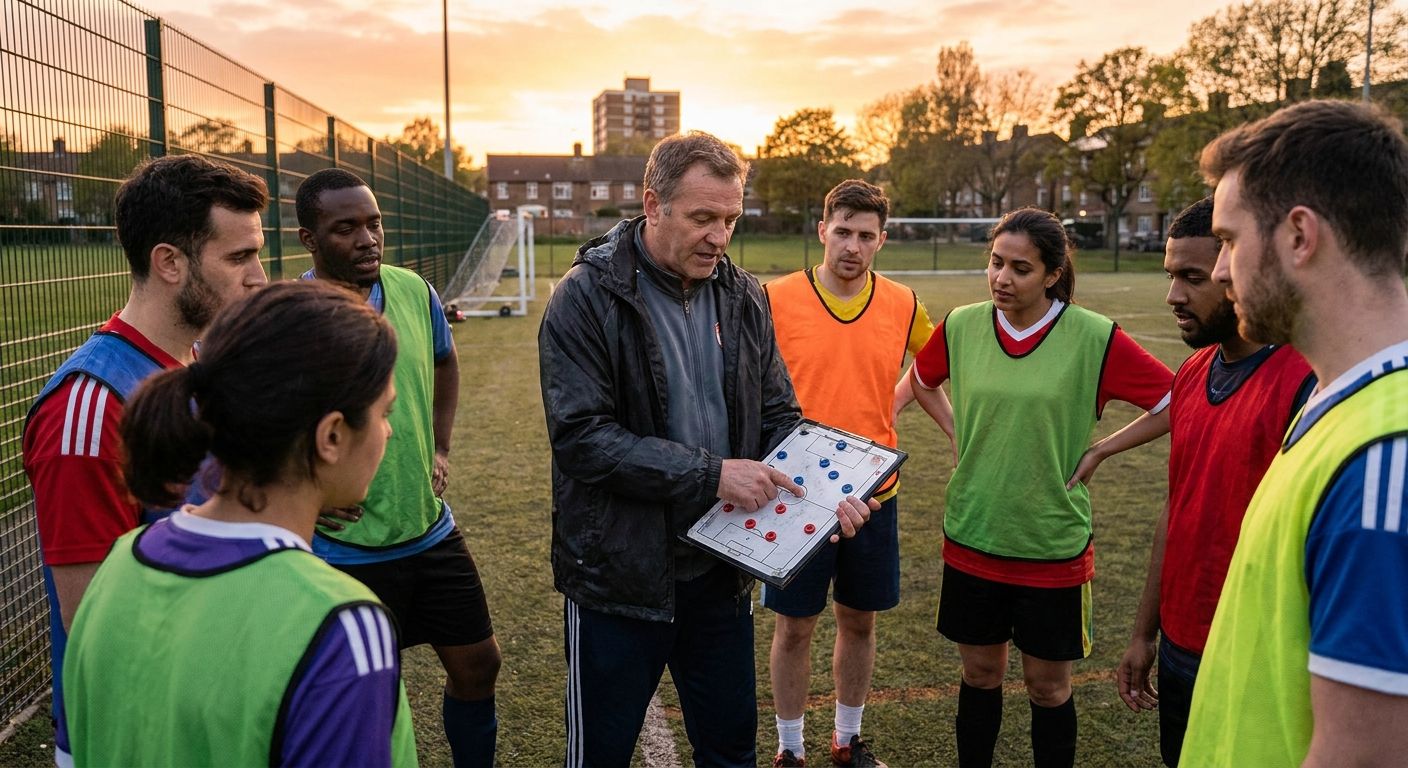
Table of contents
- 👋 Introduction
- ⚽ Analyze Technical and Physical Traits
- The Speedsters
- The Physical Presence
- The Technical Maestros
- 🧠 Consider Mental Attributes and Personality
- 🔄 Rotating Positions in Small-Sided Games
- 🥅 Dealing with the Goalkeeper Dilemma
- 🏆 Why Successful Teams Use FootDraw
- ❌ Common Mistakes That Limit Growth
- 💡 Growth Checklist for Amateur Football Teams
- ❓ Frequently Asked Questions
- 🎯 Conclusion
- 🚀 Try FootDraw for Free
How to Choose the Right Position for Your Amateur Football Players
👋 Introduction
In amateur football, everyone usually wants to be the striker.
But a team of ten strikers and no keeper is a recipe for a 10-0 defeat.
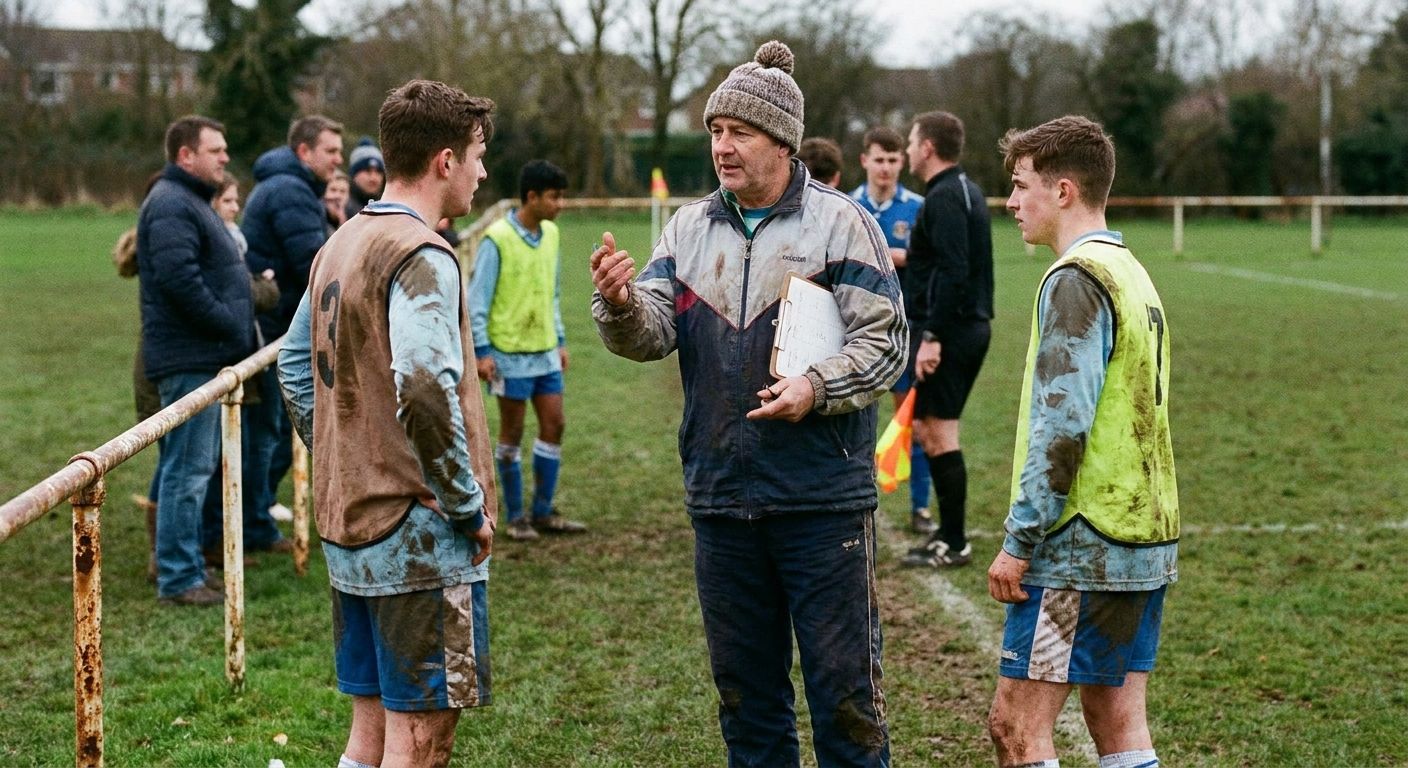
As an organizer or captain, your job is to put players where they can actually help the team win.
Finding the right fit for each player improves your results and keeps your squad happy.
⚽ Analyze Technical and Physical Traits
Every position on the pitch requires a different set of tools.
Start by looking at how your players move and handle the ball during your weekly pickup football games.
The Speedsters
Players with high pace and stamina are your natural wingers or full-backs.
They need the engine to get up and down the line for 90 minutes.
The Physical Presence
If a player is strong in the air and comfortable with physical contact, they belong in the heart of the defense.
Center-backs don't always need to be the fastest, but they must be reliable.
The Technical Maestros
Players with the best vision and passing range should occupy the midfield.
They are the link between defense and attack, requiring high composure under pressure.
🧠 Consider Mental Attributes and Personality
Football isn't just played with the feet; it is played with the head.
A player's personality often dictates where they will thrive.
✅ The Leaders: Put your most vocal and organized players in central roles (CB or CM).
✅ The Risk-Takers: Creative players who aren't afraid to lose the ball belong in the final third.
✅ The Disciplined: Some players are happy to sit deep and protect the backline without seeking glory.
Imagine your Tuesday evening team has 18 players in WhatsApp, but no one wants to lead.
You need to identify the "organizers" who will talk throughout the game.
🔄 Rotating Positions in Small-Sided Games
In five-a-side or 7-a-side, positions are much more fluid.
Sticking to a rigid "defender" or "attacker" role can actually hurt your team's flow.
Encourage rotation to keep the game dynamic and prevent players from getting bored.
💡 Pro Tip: Use your warm-up games to let players try roles they usually avoid. You might find a natural goal-scorer hiding in your defense.
Tracking football statistics like goals and assists can help you see where a player is most effective over time.
🥅 Dealing with the Goalkeeper Dilemma
Finding a dedicated keeper in amateur football is the hardest task for any organizer.
❌ Common Mistake: Forcing the newest or "worst" player into goal every week.
This is the fastest way to lose a player and a match.
Instead, look for players with quick reflexes and, more importantly, the desire to be there.
If you don't have a regular keeper, use a fair rotation system tracked through your football attendance tracker.
🏆 Why Successful Teams Use FootDraw
Managing a team's tactical balance becomes much easier when you have the right data.
FootDraw allows you to manage your squad in one centralized web app, moving beyond messy chats.
Organizers use FootDraw to:
- Assign Player Ratings: Use a 0–100 player rating system to gauge overall ability.
- Balance Matches: Generate fair teams based on those ratings to ensure every game is competitive.
- Track Performance: View football statistics like goals, assists, and MVP awards to see who is performing in their role.
- Monitor History: Look back at match history to see which lineups worked best together.
By seeing a player's average rating and stats, you can make informed decisions about where they should play next season.
❌ Common Mistakes That Limit Growth
1. Ignoring Player Preference While you need balance, forcing a player into a role they hate will lead to them dropping out. Quick Fix: Have a 1-on-1 chat about where they feel most comfortable.
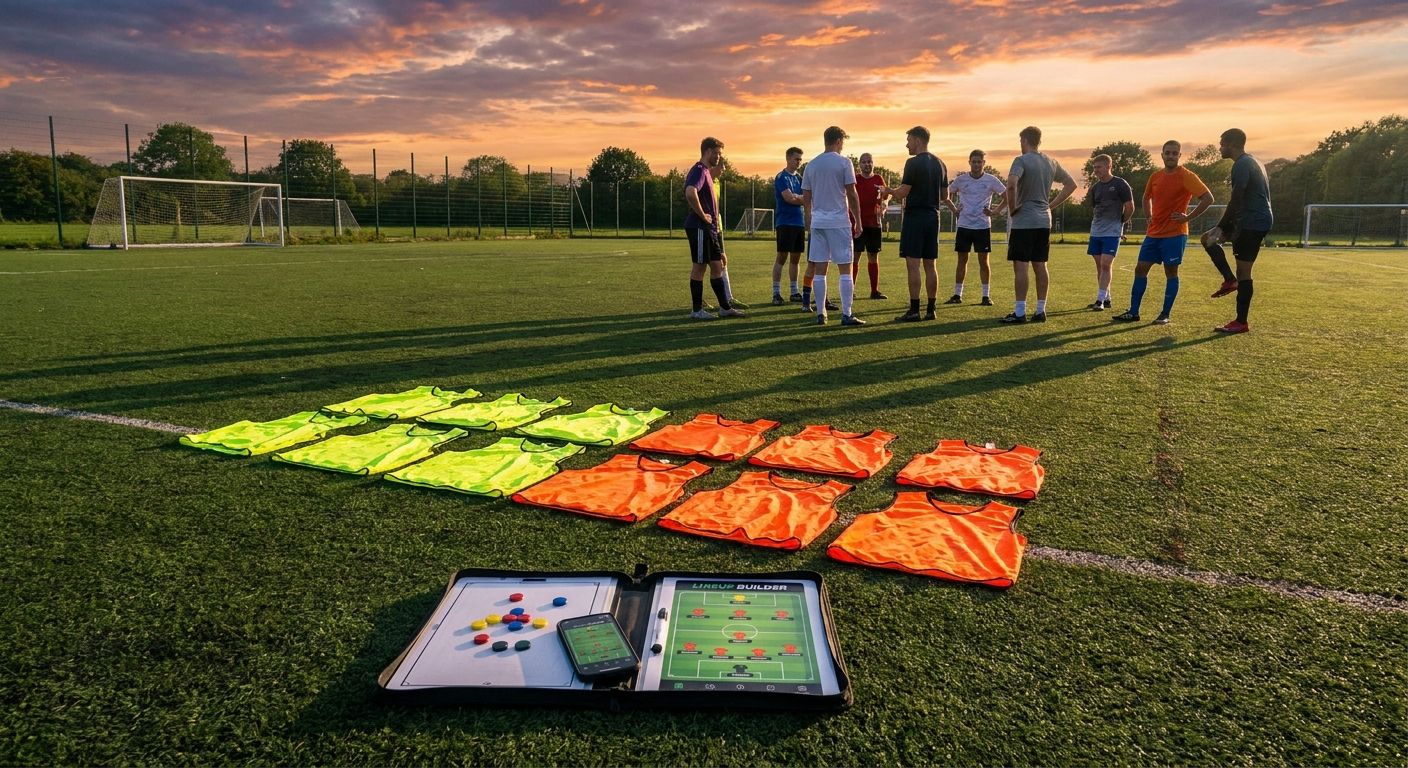
2. Having a "Static" Tactical Plan Amateur availability changes every week. If your star playmaker is missing, don't try to play the same way. Quick Fix: Adjust your formation based on the specific players who RSVP'd "Playing."
3. Overvaluing Height Many captains put the tallest player in defense automatically. Quick Fix: Check their actual defensive awareness first; a short, smart defender is better than a tall, lost one.
4. Neglecting the Bench In grassroots football, subs are often forgotten until they get frustrated. Quick Fix: Plan your rotations before the whistle blows.
💡 Growth Checklist for Amateur Football Teams
- ✅ Poll Your Players: Ask everyone for their 1st and 2nd choice positions.
- ✅ Set RSVP Deadlines: Know your lineup by Thursday to plan your tactics.
- ✅ Track Versatility: Note which players can play in multiple roles.
- ✅ Record Match Stats: Use data to prove where players are most productive.
- ✅ Review Ratings: Update your 0–100 player ratings every few weeks to reflect form.
❓ Frequently Asked Questions
How do I tell a player they aren't a good striker? Use data. Show them their stats or explain how their skills (like tackling or long passing) are more valuable to the team in a different area.
What is the best formation for 5-a-side? A 1-2-1 (Diamond) is usually the most balanced for amateur levels, providing a clear defender, two transition players, and a target man.
Should I let players pick their own positions? In casual games, yes. In competitive league matches, the captain should have the final say to ensure team balance.
How important is height in amateur football? It helps for goalies and center-backs, but technical skill and positioning are far more important at the grassroots level.
🎯 Conclusion
Choosing the right position is about balancing a player’s skills with the team's needs.
Don't be afraid to experiment, especially during the off-season or in friendlies.
When players feel they are in the right spot, they play better, complain less, and keep coming back every week.
🚀 Try FootDraw for Free
Ready to stop the pre-game arguments and start winning more matches?
FootDraw helps you track player ratings, generate balanced teams, and manage your entire season from one simple dashboard.
Ready to organize your football team?
Build balanced teams, organize matches and track stats — all in one place.
Create Team